Top 10 Air Compressor Air Tank Features Buyers Should Know?
Choosing the right Air Compressor Air Tank is essential for optimal performance. It can impact efficiency, reliability, and service life of your equipment. Understanding its features can be overwhelming for first-time buyers. However, knowledge is power.
Air Compressor Air Tanks come in various sizes and styles. Some may not meet your specific needs. Factors like tank material, capacity, and pressure ratings matter significantly. Buyers often overlook these details, which can lead to poor investment decisions. Features such as portability, safety mechanisms, and maintenance requirements are also crucial.
Investing your time in research pays off. Quality tanks can enhance compressor effectiveness. Yet, there seems to be a gap in awareness about what features truly matter. It’s not just about the price; it’s about functionality and durability. This guide will explore the ten key features that buyers should consider before making a choice.
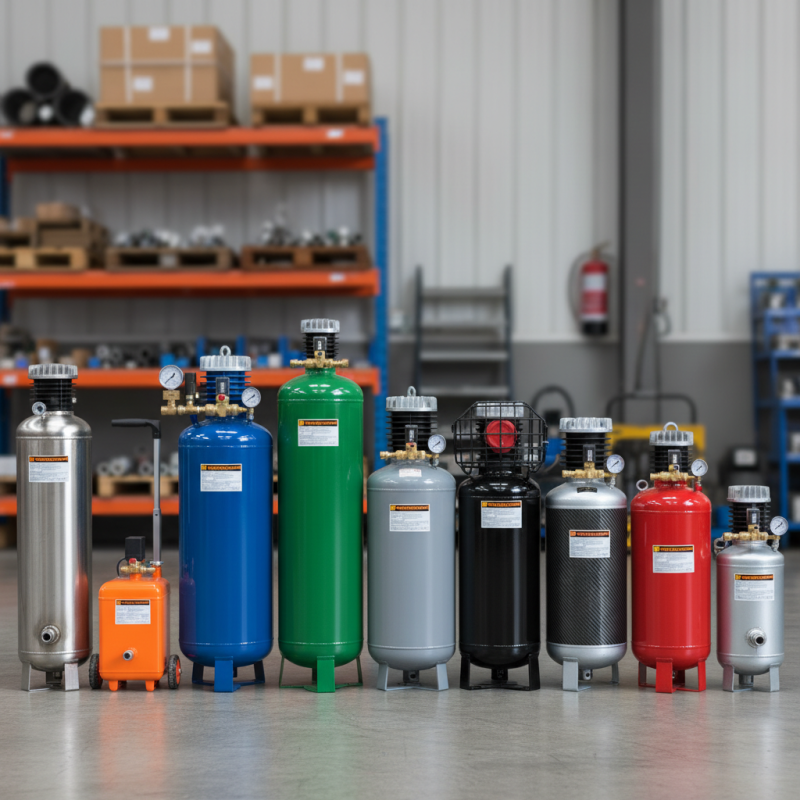
Understanding Air Tanks: Essential Components of Air Compressors
Air tanks are critical elements within air compressors. They store compressed air, enabling efficient operation. Their size and construction impact performance significantly. According to industry reports, air tanks typically have capacities ranging from 1 to over 80 gallons. This range caters to various applications, from DIY projects to commercial use.
The material used in air tanks is also essential. Most tanks are made from steel or aluminum. Steel tanks are often heavier but more durable. Aluminum tanks are lighter and resistant to rust, which can be beneficial in portable applications. However, they may not always withstand high pressures as effectively. Users must understand the trade-offs in durability and weight.
Compressed air quality is another consideration. Moisture can accumulate in tanks, leading to corrosion. Regular maintenance, including draining tanks, is crucial. Reports suggest that about 30% of users neglect this step, resulting in reduced efficiency and potential tank failure. Ensuring the right tank features aids in prolonging compressor life and increasing operational reliability.
Capacity Considerations: Choosing the Right Size for Your Needs
When considering an air compressor air tank, capacity is a crucial factor. The size determines how much air the tank holds. Small tanks can be portable and easy to use, but they may lack the volume needed for larger tasks. Larger tanks provide extended use but can be bulky and harder to move. It’s essential to evaluate your specific needs before making a choice.
For home workshops or small projects, a tank of 2 to 6 gallons may suffice. These smaller sizes are great for nail guns and inflatable items. However, if you’re working on larger tools or running multiple tools at once, you’ll need more capacity. Tanks that hold 10 to 30 gallons can support heavier applications like sanders and spray guns. Misjudging your capacity needs can lead to frustration during tasks. It can also affect your project's overall efficiency. You may find yourself waiting for the tank to refill, which can slow you down. Be mindful of this when selecting your tank.
Top 10 Air Compressor Air Tank Features Buyers Should Know
| Feature | Description | Considerations |
| Tank Capacity | The volume of air the tank can store, usually measured in gallons. | Choose based on usage frequency; larger for continuous use, smaller for occasional tasks. |
| Material | Common materials include steel and aluminum, affecting durability and weight. | Steel is more durable; aluminum is lighter and rust-resistant. |
| Portability | Whether the air tank is designed to be easily transported. | Look for wheels and handles if you need mobility. |
| Pressure Rating | Maximum air pressure the tank can safely handle. | Consider tools' requirements; match tank pressure capacity. |
| Waiting Time | Time it takes for the tank to refill after use. | Shorter refill times are better for frequent usage. |
| Noise Level | Volume of sound produced during operation, often measured in decibels. | Lower decibel ratings are preferable for residential areas. |
| Maintenance | Frequency and ease of maintenance acts required. | Consider models that require less frequent servicing. |
| Accessories | Included tools and attachments for versatility. | More accessories increase functionality for different jobs. |
| Warranty | Length and terms of warranty provided by the manufacturer. | Longer warranties offer better peace of mind for investment. |
| Safety Features | Built-in systems to prevent accidents, such as pressure relief valves. | Essential for ensuring safe operation during use. |
Material Matters: Comparing Steel, Aluminum, and Composite Tanks
When it comes to air compressor tanks, material selection is crucial. Steel, aluminum, and composite materials each have unique characteristics. Steel tanks are durable and can withstand intense pressure, making them a popular choice for heavy-duty applications. They are often heavier, which might not be ideal for portable use. However, their robustness can outweigh this inconvenience for stationary setups.
Aluminum tanks offer lightweight advantages. They are more portable and resist rust better than steel. This makes them suitable for humid environments but may sacrifice some strength. Composite tanks represent the latest technology. They are lightweight and corrosion-resistant, ideal for various applications. However, they can come with a higher price tag and might not be as widely available.
Choosing the right material affects performance and longevity. Understanding the trade-offs can prevent buyers from making hasty decisions. Each option has its downsides, and recognizing these can help in making an informed choice. Aim for a balance between weight, durability, and price based on your specific needs.
Pressure Ratings: Importance of Working Pressure and Safety Limits
When choosing an air compressor, understanding pressure ratings is crucial. Working pressure defines how effectively the compressor performs tasks. Safety limits ensure that users are safe during operation. Always check the manufacturer's guidelines for the maximum pressure limit. This information helps prevent accidents and equipment damage.
Consider the implications of operating above recommended levels. Exceeding safety limits can lead to tank failure and serious injuries. Regularly inspect the air tank for signs of wear or damage. A small crack can lead to disastrous results if the tank is under high pressure. Safety measures should always be your priority.
Tip: Always use personal protective equipment (PPE) when operating an air compressor. This can include goggles, gloves, and ear protection. Calculating the necessary working pressure for specific tasks can improve efficiency. Understanding air tools’ requirements is essential. If uncertain, always refer back to the documentation provided for your equipment.
Top 10 Air Compressor Air Tank Features Buyers Should Know
This chart illustrates the working pressure ratings of various air compressor air tanks, highlighting their importance in ensuring safety and performance.
Portability and Design: Features for Mobility and Efficient Storage
When choosing an air compressor, portability and design are critical features. A lightweight model can easily be transported to different job sites. This allows for efficient use, especially in DIY projects or professional settings. Look for a sturdy handle and durable wheels. These elements can enhance maneuverability and reduce fatigue during movement.
Storage is another important consideration. A compact design saves space in your garage or workshop. Many tanks come with built-in storage solutions for accessories. This keeps everything organized, preventing clutter. However, some designs may compromise tank capacity for size. Balance between storage efficiency and air volume is essential.
Assessing the overall structure is crucial, too. Some tanks may seem durable but lack stability. This can lead to potential hazards during operation. Always check whether the materials used can withstand regular use. Understanding the advantages and limitations of tank designs can guide effective purchasing decisions. Being informed about these aspects fosters more responsible choices in equipment investment.
