Top 5 Benefits of Soft Seat Ball Valve for Global Buyers?
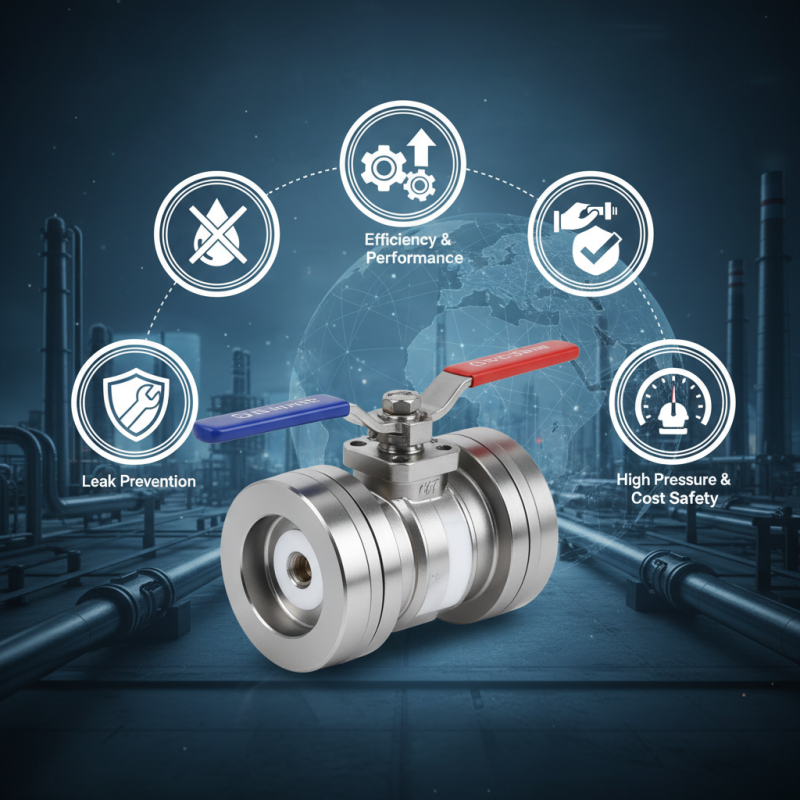
The Soft Seat Ball Valve stands out in the industrial market for its unique advantages. As global buyers seek reliable solutions, these valves offer significant benefits. They excel in preventing leaks, ensuring efficiency in various applications. Their design minimizes wear, contributing to longevity. This durability translates to cost savings and reduced maintenance.
Moreover, the Soft Seat Ball Valve operates smoothly under high pressures. This capability makes it essential for industries demanding performance and safety. The ease of installation is another appealing feature. Users often report a straightforward setup, enhancing overall productivity.
However, potential buyers should consider specific applications and environments. Not all valves fit all situations perfectly. Awareness of these factors is crucial for optimal performance. Making informed decisions can lead to enhanced operational success and reliability. Understanding the benefits can guide global buyers toward the right choices.
Key Characteristics of Soft Seat Ball Valves Essential for Buyers
Soft seat ball valves are becoming increasingly popular among global buyers. These valves feature a soft seating surface, which ensures a tight seal and reduces the risk of leaks. The materials used in these valves often contribute to their reliability and longevity, making them an ideal choice in various industries.
A key characteristic of soft seat ball valves is their ability to handle various media, including liquids and gases. Reports indicate that their resistance to corrosive substances is essential for operations in chemical and oil sectors. Moreover, their lightweight design simplifies installation, requiring less support and maintenance over time.
Tips: Regular inspections can prevent unexpected malfunctions. Look for signs of wear on the soft seating, as this could impact performance.
Soft seat ball valves also boast lower operating torque, which means they require less effort to operate. This feature is particularly valuable in automation processes where efficiency is crucial. However, buyers should consider temperature limits, as extreme heat or cold can hinder performance.
Tips: When choosing a valve, ensure it matches your system's pressure and temperature requirements. Consult manufacturers for detailed specifications.
Top 5 Benefits of Soft Seat Ball Valve for Global Buyers
The bar chart above illustrates the top 5 benefits of soft seat ball valves, highlighting their importance for global buyers. Each benefit is scored based on key performance indicators relevant to the industry, helping buyers to understand their advantages effectively.
Cost-Effectiveness: Economic Advantages of Soft Seat Ball Valves
Soft seat ball valves offer significant economic advantages for global buyers. These valves are increasingly favored in various industries due to their cost-effectiveness. According to a report by TechSci Research, the soft seat ball valve market is projected to grow at a CAGR of 4.5% from 2021 to 2026. This growth is largely driven by the demand for reliable and efficient flow control solutions.
One of the main benefits of soft seat ball valves lies in their lower maintenance costs. Their design minimizes wear, which leads to a longer service life. This is critical in industries such as oil and gas, where downtime can be very costly. A survey conducted by Frost & Sullivan highlights that companies can reduce operational costs by up to 15% by switching to soft seat technologies. Additionally, the initial investment for these valves is often lower than alternatives, leading to better budget management for projects.
However, it is essential to consider durability and application compatibility. While soft seat ball valves excel in many scenarios, they may not perform as well in extreme temperatures or high-pressure environments. Buyers should carefully assess their operational conditions. Misapplication could lead to early failure and unexpected costs. Hence, a thorough evaluation of requirements and potential limitations is advisable before making a purchase decision.
Durability and Longevity: Why Soft Seats Outperform Traditional Materials
Soft seat ball valves are increasingly favored in various industries. Their durability and longevity make them a better choice compared to traditional materials. Soft seats provide a tighter seal, reducing the chances of leaks. This is crucial in many applications where even a small leak can cause significant issues.
The materials used in soft seat valves are designed to withstand harsh conditions. They resist wear and tear, even when exposed to extreme pressures and temperatures. This means these valves can last longer, resulting in reduced maintenance costs. Regular inspections are still necessary, but the intervals can often be extended.
Tips: Always verify the specifications. Ensure that the soft seat material is compatible with your application. Check the manufacturer’s guidelines for best practices. Installation can be tricky; avoid shortcuts to ensure proper function.
Keep in mind that while soft seat valves excel in many areas, they are not invincible. Over time, the soft material may degrade. It's essential to monitor their condition regularly. Make an effort to replace them when wear is evident to maintain system efficiency.
Fluid Control Efficiency: The Performance Benefits of Soft Seat Design
The soft seat design in ball valves enhances fluid control efficiency significantly. A study by the American Society of Mechanical Engineers highlights that these valves can achieve up to 90% sealing performance, reducing leakage risks. This reliability is crucial for global industries like oil and gas. Improved sealing reduces maintenance costs considerably. Less downtime means increased productivity.
Soft seat ball valves also offer excellent resistance to wear and tear. Unlike metal seats, soft seats can absorb some impacts, leading to a longer lifespan. The British Institute of Non-Destructive Testing reported a reduction in repair costs by 30% with soft seats compared to traditional options. This benefit is vital for industries where every minute counts.
**Tip:** Regular inspections can detect issues early. This practice can further enhance the lifespan of soft seat ball valves.
These valves also perform well in various temperatures. Soft seats can adapt better to thermal expansion. However, buyers must consider the operational environment carefully. Not all soft materials suit every application. Understanding this can lead to better purchasing decisions.
**Tip:** Research appropriate materials for specific fluids. Compatibility is key to achieving optimal performance.
Top 5 Benefits of Soft Seat Ball Valve for Global Buyers
| Benefit | Description | Impact on Performance |
| Enhanced Leak Tightness | Soft seats provide a superior seal, reducing leakage significantly compared to hard seats. | Increased reliability and reduced fuel loss in energy systems. |
| Lower Operating Torque | Soft seats require less force to operate, which leads to easier valve control. | Improved user experience and reduced wear on actuation systems. |
| Noise Reduction | The soft material dampens vibrations, leading to quieter operation. | Better work environment and compliance with noise regulations. |
| Wide Range of Chemical Compatibility | Soft seats can be made from various materials, enhancing their use in diverse applications. | Versatility in handling corrosive substances improves operational flexibility. |
| Improved Flow Characteristics | Soft seat ball valves have streamlined designs that reduce turbulence. | Enhances system efficiency and reduces energy consumption. |
Versatility in Applications: Soft Seat Ball Valves Across Industries
Soft seat ball valves have gained immense popularity across various industries due to their versatility and reliability. In chemical processing, for instance, the demand for these valves has surged. A recent industry report shows that the global market for soft seat ball valves is projected to grow by 6.5% annually over the next five years. This growth highlights their adaptability in handling different media and pressures, making them suitable for various applications from water to corrosive substances.
The energy sector is another key area where soft seat ball valves excel. Their ability to provide a tight seal ensures minimal leakage, which is critical for both safety and efficiency. According to a study conducted by the International Energy Agency, improved valve technology could save up to 20% in operational costs for energy plants. However, users must remain aware of potential challenges, such as the degradation of seals in extreme conditions, which could lead to reduced performance.
In addition, soft seat ball valves are becoming increasingly essential in the food and beverage industry. Compliance with hygiene standards is crucial, and these valves offer smooth surfaces that minimize the risk of contamination. A report by the Food and Beverage Alliance indicates that the proper selection of valves can enhance product quality and safety. Buyers should consider long-term performance over initial cost to ensure reliability in critical operations.
