The Best 10 Industrial Machines Revolutionizing Manufacturing Today?

In today's rapidly evolving manufacturing landscape, the role of the industrial machine is paramount. These machines are not just tools; they are lifelines for industries across the globe. They enhance production speed, improve quality, and reduce costs. Yet, the adoption of innovative industrial machines also brings challenges.

Many companies struggle to keep up with technological advancements. Upgrading machinery requires significant investment and training. Some firms hesitate to integrate new machines, fearing disruption. However, the benefits of embracing cutting-edge technology can far outweigh these fears. From automation to precision engineering, the advancements are transformative.

The current wave of industrial machines is reshaping manufacturing as we know it. These machines spark a new era of efficiency and sustainability. Yet, it is essential to reflect on the implications of this shift. As we revolutionize our factories, we must address the skills gap and workforce adaptation. The journey is complex, but the rewards are immense.
The Best 10 Industrial Machines Revolutionizing Manufacturing Today?

The Role of Automation in Modern Manufacturing Processes

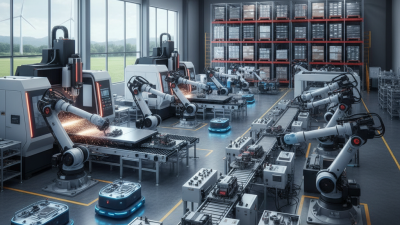
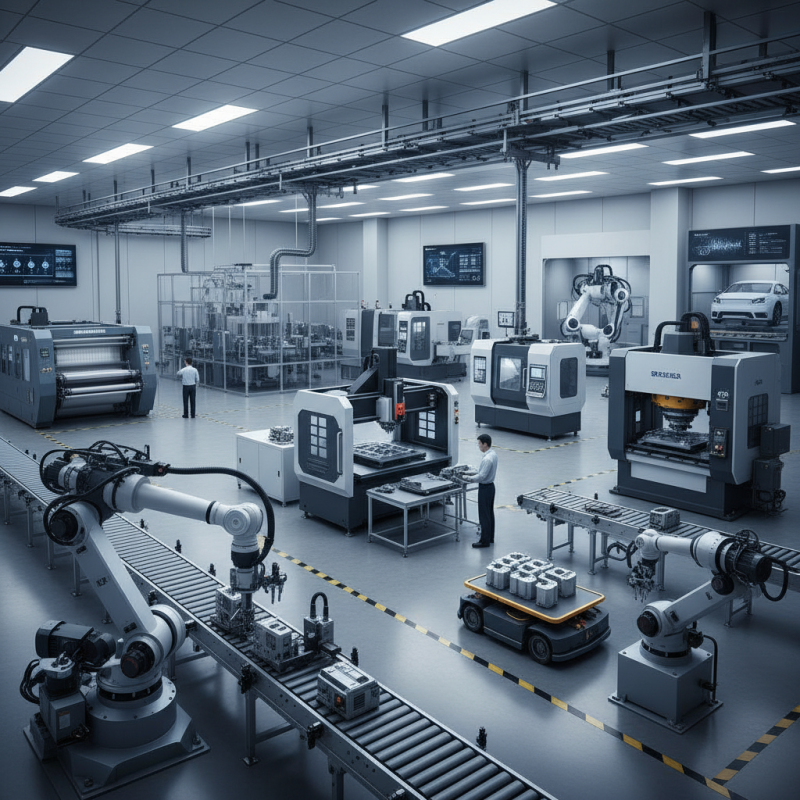
Automation is transforming modern manufacturing processes at an unprecedented pace. Machines now handle tasks once performed by humans. This has led to increased efficiency in factories around the world. For example, robotic arms assemble products with precision. They reduce error rates while working tirelessly. Yet, this shift raises questions about job displacement.

With automation, manufacturers streamline operations. This can lead to fewer employees needed on the shop floor. Workers may find themselves needing new skills. Reskilling is essential in this evolving landscape. Some may struggle, feeling overwhelmed by technology. It's crucial for companies to support their teams during this transition. As automation persists, finding a balance is key. Human insight remains invaluable, especially in complex scenarios. While sleek machines revolutionize productivity, reflection on their impact matters.
The Impact of Automation on Manufacturing Efficiency

Top Cutting-Edge Robotics Enhancing Production Efficiency

The Best 10 Industrial Machines Revolutionizing Manufacturing Today?

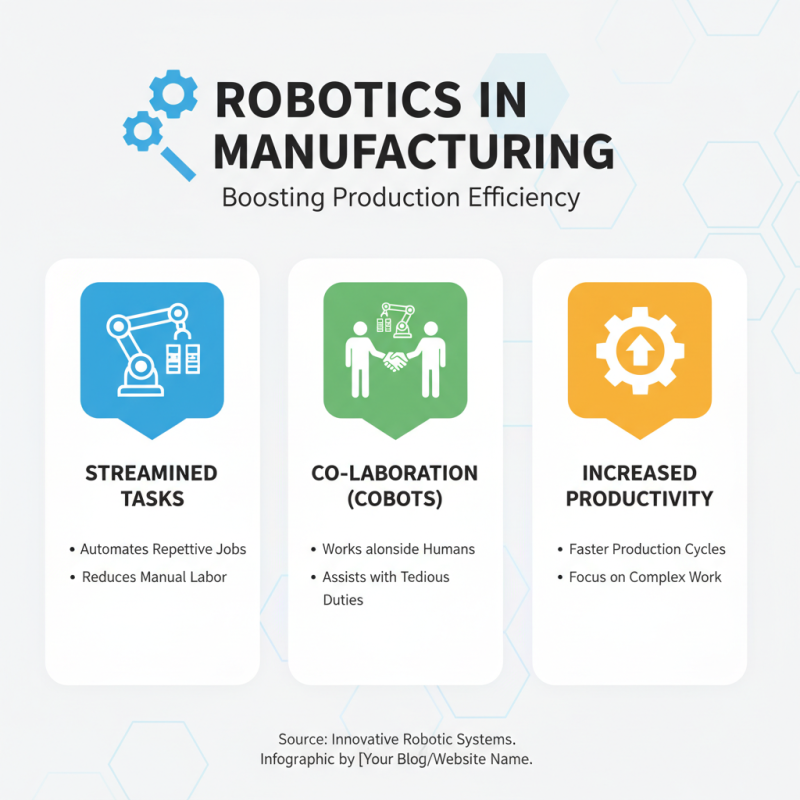
In today's manufacturing landscape, robotics play a crucial role in improving production efficiency. Innovative robotic systems are streamlining tasks that were once labor-intensive. For instance, collaborative robots, or cobots, work side by side with human operators. They handle repetitive tasks while allowing workers to focus on more complex duties.

Moreover, robotic arms equipped with AI can adapt to different tasks without extensive reprogramming. This flexibility is essential in industries with varying production demands. Some robots can quickly learn from their environments. They improve over time, creating a more efficient workflow. However, the integration of these robots isn't always flawless. Training staff to adapt can be a challenge. Resistance to change is common among workers. Hence, proper implementation processes are vital.

Sustainability is another aspect influenced by robotics. Automated systems often reduce waste and energy use, leading to environmentally friendly practices. Yet, the reliance on technology raises concerns about job displacement. Striking a balance between innovation and employment is necessary. Companies must consider the human aspects of automation and strive for a harmonious workplace.

Advanced CNC Machines: Precision Engineering for Today’s Industry

Advanced CNC machines are transforming the landscape of modern manufacturing. These machines excel in precision engineering. They can produce complex components with exceptional accuracy. Manufacturers rely on them for their ability to repeat tasks flawlessly, reducing waste and errors. However, the precision comes with its own challenges, such as the need for skilled operators.

These machines require proper programming and maintenance. While they can minimize human error, they are not infallible. Operators must constantly monitor the precision of each production run. A slight miscalculation can lead to costly defects. The transition to advanced CNC technology involves a learning curve that can be daunting for some.

Additionally, the initial investment in advanced CNC machines can be significant. Smaller manufacturers may find it hard to justify the expense. However, the efficiency gained often outweighs the costs in the long run. Each operation must weigh these factors carefully. Balancing innovation with practicality is key to success in this evolving industry.

The Best 10 Industrial Machines Revolutionizing Manufacturing Today

Machine Type Key Features Applications Impact on Manufacturing
CNC Milling Machines High precision, computer-controlled Aerospace, automotive Increased accuracy and decreased waste
3D Printers Additive manufacturing, rapid prototyping Medical, tooling Reduced lead time, design flexibility
Laser Cutters High-speed cutting, precision Metal fabrication, signage Enhanced productivity, minimal material waste
Robotic Arms Flexible, programmable Assembly, packaging Increased efficiency, reduced labor costs
Waterjet Cutters Versatile, no heat affected zone Stone, composite cutting Precision cutting with minimal distortion
Injection Molding Machines Automated, high-speed production Plastic parts manufacturing Cost-effective mass production
Electro-Discharge Machines Precision machining, complex shapes Dies, molds High accuracy for intricate designs
Plasma Cutters High-speed thermal cutting Steel fabrication, HVAC Fast processing of thick materials
Automated Guided Vehicles Intelligent navigation, load transport Warehouse logistics, manufacturing floor Streamlined material handling

3D Printing Innovations Streamlining Product Development

The Best 10 Industrial Machines Revolutionizing Manufacturing Today?

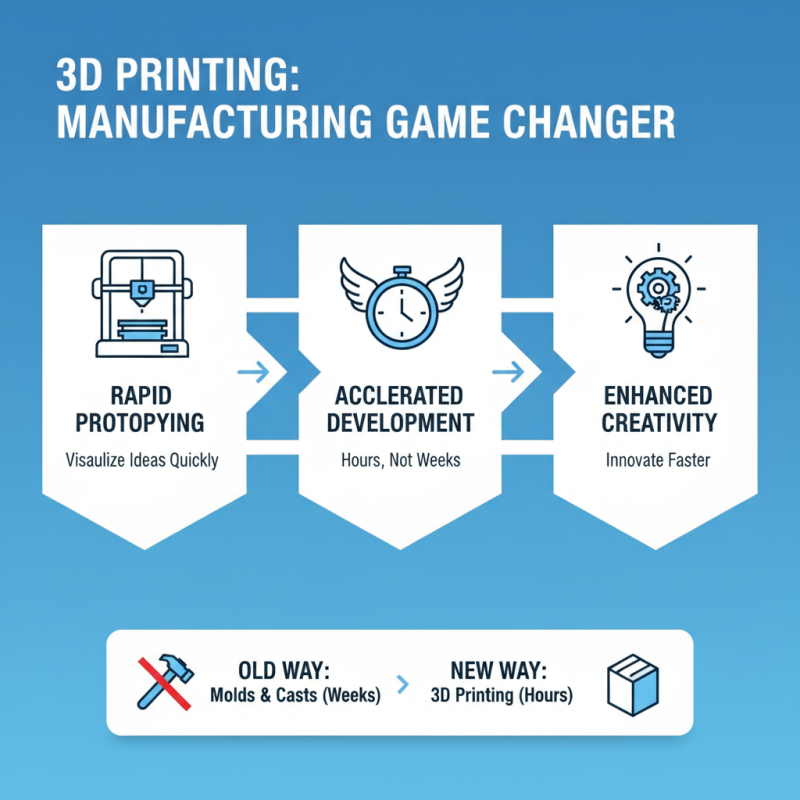
In today's manufacturing landscape, 3D printing stands out as a game changer. It allows for rapid prototyping, enabling designers to visualize their ideas quickly. Gone are the days of long wait times for molds and casts. With 3D printers, prototypes can be ready within hours instead of weeks. This technology accelerates product development and enhances creativity.

However, not all designs translate well to 3D printing. Some intricate designs may fail during the printing process. Material limitations can also present challenges, affecting durability and functionality. Manufacturers must consider these factors carefully. Despite the pitfalls, the benefits often outweigh the downsides. Real-time adjustments can lead to exceptional results.

Collaboration is crucial in this innovative approach. Teams must work closely, sharing insights and feedback. Communication is key, as misunderstandings can lead to costly errors. As manufacturers embrace 3D printing, they must also adapt their thinking. Embracing this technology requires openness to change and willingness to learn.

Smart Factory Technologies: IoT and Data Analytics in Manufacturing

Smart factories are changing the landscape of manufacturing. The integration of IoT devices and data analytics is key. Imagine machines that communicate with each other in real-time. They can detect issues early and adjust operations accordingly. This level of interconnectivity boosts productivity significantly.

Data analytics plays a crucial role in this transformation. Collecting data from various sources helps manufacturers understand their processes better. Patterns emerge that indicate inefficiencies. These can then be addressed to optimize production. However, not all manufacturers have embraced this technology fully. Some struggle to adapt, fearing the costs involved or the complexity of implementation.

Tips: Start small with IoT devices. A few sensors can yield significant insights. Regularly analyze your data to find areas for improvement. Don’t be afraid to recalibrate your strategies based on these insights. Embrace the learning curve that comes with new technologies. It doesn’t have to be perfect from the start. Every small step taken leads to greater efficiency and innovation in the long run.