Best Aluminum Blocks for Purchase Worldwide?
When considering the purchase of aluminum blocks, several factors come into play. The global aluminum market has shown significant growth, valued at approximately $169 billion in 2022, with a promising CAGR of 4.5% through 2030. Aluminum blocks, renowned for their lightweight and corrosion-resistant properties, are essential in various industries, including automotive and aerospace.
This demand highlights the importance of selecting high-quality aluminum blocks. Brands like Hydro and Alcoa lead the way in providing reliable products. Performance metrics often depend on the alloy composition and manufacturing processes. Quality variations can lead to critical failures in applications. Consumer reviews indicate that not all suppliers meet industry standards.
Understanding these dynamics is vital for buyers. Not every aluminum block on the market fulfills the expectations set by its specifications. Investing in reputable sources can mitigate risks associated with inferior products. By prioritizing reliability and expert recommendations, buyers can avoid disappointments.
Types of Aluminum Blocks Available for Various Applications
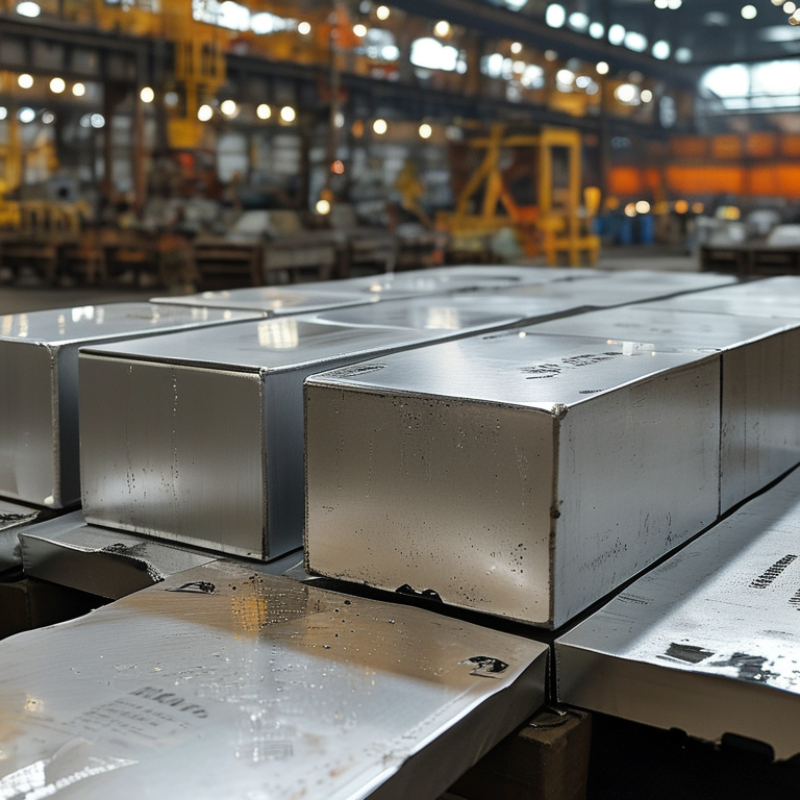
Aluminum blocks serve various industries, making them versatile for numerous applications. Different types of aluminum blocks exist, including cast aluminum, extruded aluminum, and rolled aluminum. Each type offers unique characteristics suitable for specific uses. For example, cast aluminum blocks are often used in automotive and aerospace applications due to their lightweight properties and strength.
According to a report by Grand View Research, the global aluminum market is expected to reach over 180 million tons by 2025. This increase highlights the growing demand for aluminum blocks across sectors. Extruded aluminum blocks are popular in architectural applications, thanks to their ability to be shaped into complex designs. Meanwhile, rolled aluminum is typically used for structural components.
When selecting aluminum blocks, consider the specific requirements of your project. Weight, strength, and corrosion resistance are critical factors. Ensure you reflect on the environmental impact, as aluminum production can have a significant carbon footprint.
Tips: Evaluate different types and their properties carefully. Test samples whenever possible to confirm compatibility with your project. Don't overlook potential suppliers who prioritize sustainable practices, as this can affect long-term reliability.
Key Factors to Consider When Purchasing Aluminum Blocks
When purchasing aluminum blocks, several key factors come into play. One important aspect is the alloy composition. Different alloys have varying properties like strength, corrosion resistance, and workability. Knowing the specific requirements of your project will help you select the right type. Simplifying this process can be challenging, especially with so many options available.
Another crucial factor is the size and shape of the blocks. Aluminum blocks come in various dimensions. Ensure the dimensions fit your needs precisely. Custom sizes may be available, but they often come at a higher cost and longer lead times. It's essential to weigh the benefits of custom options against your budget and timeline.
Lastly, let's talk about suppliers. Finding a reliable supplier is vital. Research their reputation, customer service, and return policy. Understanding their sourcing and quality control processes adds another layer of assurance. It's easy to get caught up in flashy marketing, but solid research can protect against poor investment. The growing market means diversity in offerings, but it can also lead to confusion.
Best Aluminum Blocks for Purchase Worldwide
This chart compares standard and high-performance aluminum blocks in terms of weight, tensile strength, thermal conductivity, and cost. When purchasing aluminum blocks, consider these key factors to make an informed decision.
Top Brands of Aluminum Blocks for Global Buyers
When considering the best aluminum blocks for global buyers, it’s essential to explore various top brands. Aluminum blocks are used in many industries, including automotive, aerospace, and construction. Selecting the right one can significantly impact performance and cost.
Some reputable brands focus on quality and precision. They offer a range of options tailored to specific needs. Often, they provide aluminum blocks with various alloys and sizes. These brands ensure rigorous testing and compliance with international standards. However, navigating the options can be overwhelming. Not every brand guarantees consistent quality. Research is vital before making a purchase.
Buyers should also consider sourcing aluminum blocks that balance performance and cost. Some high-quality options may come at a premium. Still, they can save costs in the long run with durability. Ultimately, the choice of brand depends on the specific application. An informed decision is key to avoiding regrets later.
Comparative Analysis of Aluminum Block Prices Worldwide
The global market for aluminum blocks has shown significant price variation, influenced by factors such as source material costs, transportation fees, and demand. According to industry reports, the average price of aluminum blocks ranges between $2,000 to $3,500 per ton. Regions with strong production capabilities, like Asia and North America, often feature lower costs due to established supply chains.
However, prices can spike drastically in regions facing supply constraints. A detailed analysis indicates that European markets, due to stricter environmental regulations, tend to see higher prices, averaging around $4,000 per ton. This reflects a growing need for sustainable practices, even if it challenges existing cost structures. Fluctuations are also common, with some months witnessing a 10% increase in price due to geopolitical tensions.
Buyers must navigate this complex landscape cautiously. Variations in quality and service can impact overall costs. Not all suppliers provide the same quality of aluminum blocks. Relying solely on apparent pricing can lead to suboptimal purchasing decisions. It is crucial to assess suppliers not just on price but also on their reliability and production practices. The pursuit of quality often means investing more upfront to avoid potential issues later on.
Best Aluminum Blocks for Purchase Worldwide? - Comparative Analysis of Aluminum Block Prices Worldwide
| Region | Average Price (per kg) | Availability Rating (1-5) | Quality Rating (1-5) | Shipping Time (Days) |
| North America | $3.10 | 4 | 5 | 7 |
| Europe | $3.30 | 5 | 4 | 5 |
| Asia | $2.80 | 5 | 4 | 10 |
| Oceania | $3.50 | 3 | 4 | 8 |
| South America | $3.20 | 2 | 3 | 15 |
Guidelines for Selecting the Right Aluminum Block Supplier
When choosing an aluminum block supplier, several factors warrant careful consideration. Quality standards are paramount. According to the Aluminum Association, over 80% of aluminum used in manufacturing should meet rigorous quality specs. Look for suppliers who adopt ISO certification, as it assures adherence to these standards. Additionally, performance metrics such as yield strength and thermal conductivity are vital in determining suitability for specific applications.
Tip: Always request material certifications. This ensures that the aluminum blocks meet the required specifications for your project.
Supplier reliability is another crucial element. Research industry reviews and testimonials. A supplier with a comprehensive track record demonstrates stability and trustworthiness. Studies show that a reliable partner can enhance overall project efficiency by 30%.
Tip: Evaluate the supplier’s customer service. Quick, knowledgeable responses indicate a commitment to your needs.
Price is also significant, but it shouldn’t compromise quality. Competitive pricing is essential but beware of unusually low quotes. They often signal inferior materials. It’s wise to compare costs alongside quality indicators. Balancing these factors leads to making informed decisions.
