How to Choose the Best CNC Accessories for Your Machine?
When choosing the right CNC Accessories, it's essential to consider quality and compatibility. According to CNC expert John Taylor, "The right accessories can make or break your machine's performance." Many users overlook this factor. It can lead to costly mistakes.
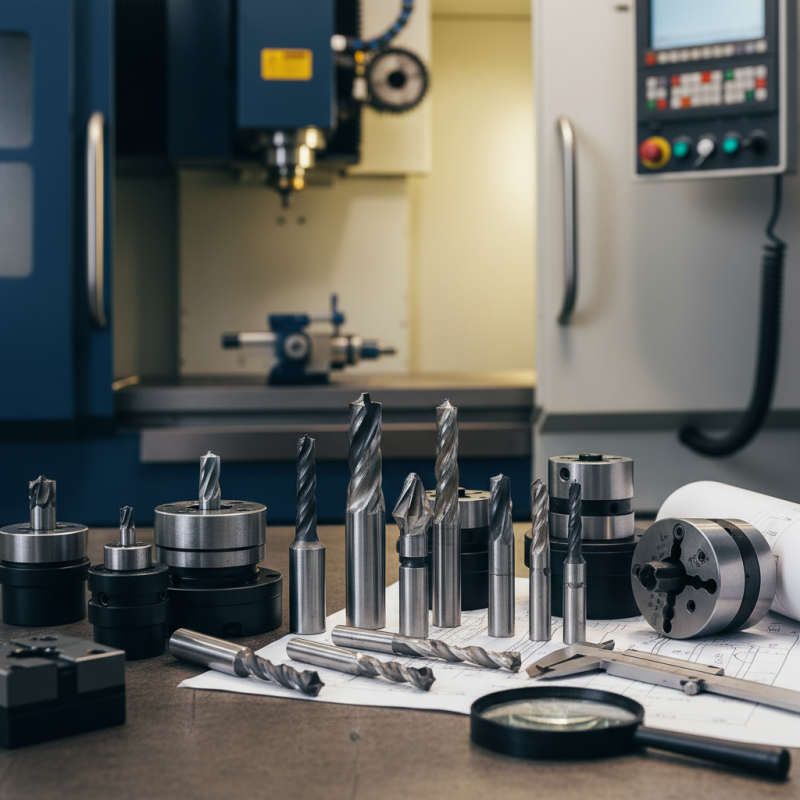
CNC accessories encompass a wide range of components, from cutting tools to tool holders. Each piece plays a critical role in the machining process. Selecting the wrong accessory can result in poor outcomes. Users might find themselves using low-quality tools that wear out quickly.
In an ever-evolving industry, staying informed is crucial. Users should regularly evaluate their accessory choices. It's not just about having the right tools; it's about having dependable tools. Investing time in finding the best CNC accessories can lead to improved accuracy and efficiency.
Understanding Your CNC Machine's Specifications and Compatibility
Understanding your CNC machine's specifications is crucial when selecting accessories. Each machine has unique parameters that dictate compatibility. Check the spindle size, tool holder type, and cutting capacities. These specifications guide your accessory choices.
Consider the materials you plan to work with. Different materials need specific tools and attachments. For example, aluminum requires different bits than hardwood. Sometimes, manufacturers overlook this detail, leading to poor performance. Reflect on your past choices. Were they truly compatible?
Don’t forget the importance of reviews. Users often discuss compatibility issues. Look for common problems others faced. Sometimes, the right accessory isn’t the most popular one. It may be overlooked, but fits well with your machine. Engage with communities online. They can offer real-world experiences that help refine your selections.
How to Choose the Best CNC Accessories for Your Machine?
| Accessory Type | Specifications | Compatibility | Purpose |
| CNC Router Bit | Diameter: 1/4", Material: Carbide | Compatible with routers with ER-11 collet | Used for wood, plastic, and soft metals |
| CNC Controller | Supports G-code, USB connectivity | Compatible with most CNC milling machines | Controls and manages CNC operations |
| Stepper Motors | Torque: 0.5Nm, Voltage: 2.8V | Compatible with NEMA 17 mount | Provides precision movement control |
| CNC Software | Supports Windows OS, G-code compatible | Works with various CNC machines | Design and simulate CNC machining |
| Dust Collection System | Power: 1.5 HP, Capacity: 1.5 cu ft | Compatible with table routers and CNC mills | Keeps workspace clean and free from debris |
Assessing the Importance of Precision and Tolerances in Accessories
When selecting CNC accessories, precision and tolerances play a critical role in overall machine performance. According to a study by the American Society of Mechanical Engineers, variations in tolerances can lead to errors as high as 0.02 mm. This can significantly impact the quality of the final product. Every accessory you choose should meet stringent specifications to ensure the machine operates accurately.
Consider the types of materials used in accessories. High-grade materials reduce wear and tear, maintaining precision. However, not all suppliers provide detailed tolerance data. This can lead to unexpected issues down the line. In a survey conducted by the International Journal of Advanced Manufacturing Technology, about 30% of manufacturers noted that improper tolerances resulted in project delays. Even small discrepancies can lead to larger problems, affecting production schedules and costs.
Ultimately, investing time in assessing these details is crucial. Underestimating the importance of precision can have lasting repercussions. A focus on quality in the selection process can mitigate future risks. Measure twice, choose wisely, and consider the long-term impact of your accessory choices.
Evaluating Material Types for CNC Accessories: Pros and Cons
Choosing the right material for CNC accessories is critical. Each material has its unique pros and cons. For instance, aluminum is popular. It’s lightweight and easy to machine. However, it may not withstand heavy loads as well. Steel, on the other hand, offers strength and durability. It is ideal for heavy-duty applications but can be harder to machine.
Consider plastics, which are also a viable option. They are versatile and resistant to corrosion. Yet, plastics may not hold up under extreme temperatures. You might need to rethink if you favor a quick setup or a robust build. Each choice impacts the performance of your machine. Reflect on your work's specific demands.
Ultimately, evaluate what matters most in your projects. Are you looking for weight savings or strength? Identify your priorities. Don’t forget to weigh the long-term costs against short-term benefits. The right accessory material can significantly influence your CNC results.
Analyzing Accessory Brands and Industry Standards for Reliability
When selecting CNC accessories, reliability is paramount. Different brands showcase varied approaches to quality control. Some focus on robust testing procedures, while others may skimp on this crucial step. This inconsistency can affect your machine's performance over time. A thorough review of accessory specifications and material quality is imperative.
Industry standards often serve as a guideline. However, they do not always guarantee the highest reliability. It's vital to analyze how each brand adheres to these standards. Some may claim compliance but lack third-party verification. Look for details about the materials used. High-strength alloys typically outlast cheaper alternatives.
Customer feedback can be revealing. Paying attention to users' experiences helps discern genuine quality. A few reviews may highlight issues that are not apparent in product descriptions. A pattern of complaints could signal an underlying problem. Balancing brand reputation with practical insights is essential for informed choices.
Budgeting for Quality: Cost vs. Performance in CNC Accessories
When choosing CNC accessories, balancing cost and performance is crucial. High-quality tools often come with a hefty price tag. However, investing wisely can enhance machine performance. Consider the materials and the construction quality of each accessory. Some cheaper options may wear quickly, leading to increased costs over time.
Make a detailed budget for your CNC accessories. Evaluate your priorities—what do you need most? Sometimes, spending a bit more upfront on a durable component pays off. Look for reviews and user feedback to gauge performance. A low-priced tool might seem attractive, but if it fails quickly, it's a false economy.
Performance can significantly affect your output quality. Yet, remember that not every high-priced accessory offers exceptional results. Trial and error can provide valuable insights. Some users find that mixing cheaper and premium products achieves the best outcome. Reflect on your experiences and refine your choices continuously.
Cost vs. Performance in CNC Accessories