How to Choose the Best CNC Turning Center Machine for Your Needs?
Choosing the right Cnc Turning Center Machine can significantly impact your production efficiency. According to Dr. Emily Chen, a renowned expert in CNC technology, "Investing in the right equipment is key to maximizing your operational output." Understanding the specific needs of your business is vital in this process.
Cnc Turning Centers come in various sizes, capabilities, and configurations. Each type serves different purposes. It's crucial to assess your production volume and the complexity of your parts before making a decision. Dr. Chen emphasizes the need for customization: "One size does not fit all in CNC turning."
Evaluating your requirements involves careful consideration of software compatibility, tooling options, and maintenance support. Ensuring these aspects align with your operational goals can pose challenges. Some users may overlook the importance of training for operators, which can hinder performance. In the end, finding the best CNC turning center machine should reflect both your immediate needs and future growth potential.
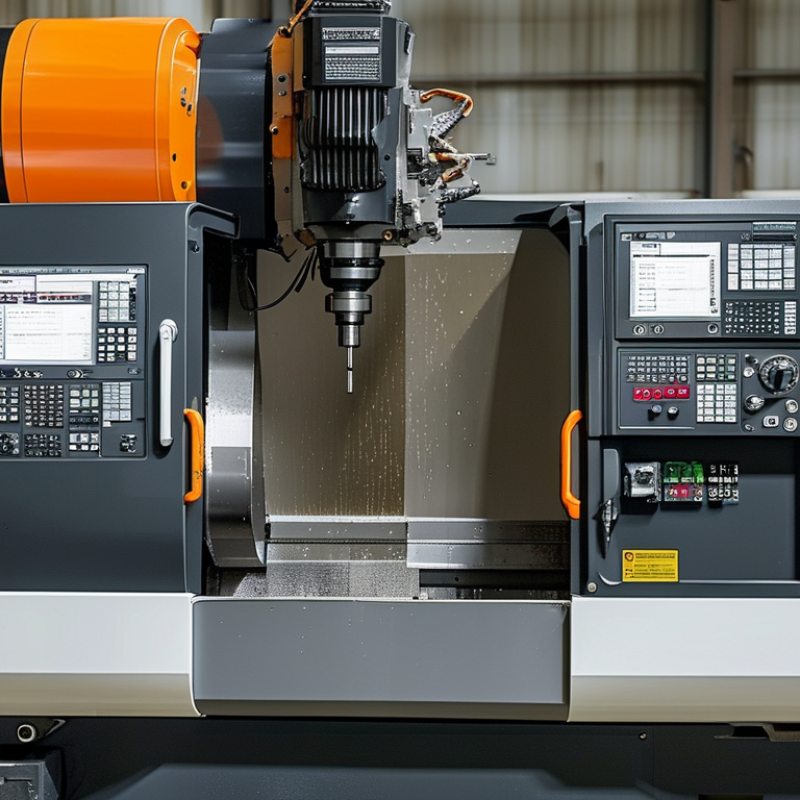
Understanding CNC Turning Centers: Basic Concepts and Types
CNC turning centers are essential for precision machining. They automate the process of cutting and shaping materials. Understanding the different types helps in making the right choice.
There are horizontal and vertical CNC turning centers. Horizontal models offer better stability and are great for large parts. They are commonly seen in heavy industries. Vertical ones take up less floor space but might limit part size.
Selecting a CNC turning center also depends on complexity. Some machines handle simple tasks well. Others are designed for intricate details and complex geometries. Remember to assess your specific needs. Reflect on your production capabilities and the volume of work. Each machine has its strengths and weaknesses. Choose wisely based on your operational requirements.
Key Factors to Consider When Choosing a CNC Turning Center
When selecting a CNC turning center, certain key factors are crucial. The machine's precision and accuracy play a major role in the quality of your output. Look for specifications on repeatability and tolerances. A machine that offers high precision can significantly reduce waste. This is particularly important in industries where every part counts.
Another vital consideration is the machine's tooling capacity. Ensure the CNC lathe can accommodate the types of tools you intend to use. Different operations require various tools, so versatility matters. Additionally, think about the material you will work with. Some machines handle metals, while others are better suited for plastics. Understanding these specifications can guide your choice.
Lastly, consider the available support and service options. It's essential to have reliable technical support when issues arise. A well-supported machine can enhance your workflow. Reflect on your long-term needs and how the CNC turning center fits into your production goals. The right choice can lead to increased efficiency and productivity in the long run.
Assessing Your Specific Machining Needs and Project Requirements
Choosing the right CNC turning center requires a clear understanding of your specific machining needs. Factors such as materials, part complexity, and production volume play crucial roles. According to a report by Market Research Future, the CNC machine tool market is expected to grow by 6.5% annually through 2025. This indicates the increasing reliance on advanced machining technologies.
Start by assessing the types of materials you will work with. Different machines offer various capabilities, such as handling metals, plastics, or composites effectively. For instance, metalworking often requires machines with higher rigidity and precision. On the other hand, working with softer materials might allow for more flexibility in machine choice. Understanding the intricacies of your projects can significantly influence your decision.
Think carefully about part designs as well. Complex geometries demand advanced tooling options and better precision. Research indicates that 45% of manufacturers prioritize precision over speed when choosing CNC machines. This highlights the importance of project requirements aligning with machine capabilities. Investing in a CNC turning center that aligns well with your needs can prevent costly adjustments later.
Evaluating CNC Turning Center Features and Specifications
Choosing the right CNC turning center involves understanding its features and specifications. Focus on spindle speed, which affects machining efficiency. A higher speed often means quicker production. Pay attention to torque as well; it’s vital for precision cutting. A machine with adequate torque can handle tougher materials.
Tool capacity is another crucial aspect. More tools mean less downtime. However, this can lead to complexity. Consider the programming interface. A user-friendly interface will improve workflow. But, training costs may rise with advanced systems.
Lastly, check the accuracy and repeatability ratings. These metrics ensure consistency in production. An investment in a precise machine pays off over time. Yet, don't overlook maintenance needs. A reliable machine still requires regular upkeep to maintain performance. Balancing these factors is essential for long-term satisfaction.
Comparison of Key Features in CNC Turning Center Machines
Budget Considerations and Best Practices for Purchasing Decisions
When selecting a CNC turning center, budgeting is crucial. The average cost of these machines varies widely, typically between $50,000 and $200,000. Knowing your financial constraints helps narrow down options. A well-planned budget prevents overspending and ensures that essential features are not overlooked. Understand that the initial cost is only part of the equation; ongoing maintenance and operational costs must also be considered.
Tips: Consider not just the purchase price but also potential downtime costs. A cheaper machine might cost more in repairs. Look for ones with solid warranties. Check their reliability ratings from industry reports, which often indicate machines that offer a better return on investment.
Investing in a quality machine pays off, but don’t rush into a decision. Research comprehensive user reviews. Gather insights from operators and industry experts. Each machine has its strengths and weaknesses. Analyze your specific production needs carefully. Remember, what works for one may not suit another. A thoughtful approach ensures the selection aligns with your operational goals.
How to Choose the Best CNC Turning Center Machine for Your Needs? - Budget Considerations and Best Practices for Purchasing Decisions
| Model | Price Range (USD) | Work Envelope (mm) | Max RPM | Spindle Power (kW) | Control Type |
| CNC Model A | $15,000 - $20,000 | 300 x 750 | 4000 | 5.5 | Fanuc |
| CNC Model B | $25,000 - $30,000 | 400 x 1000 | 6000 | 7.5 | Siemens |
| CNC Model C | $30,000 - $35,000 | 500 x 1200 | 8000 | 10 | Mitsubishi |
| CNC Model D | $40,000 - $50,000 | 600 x 1500 | 10000 | 15 | Okuma |
