How to Choose the Right Industrial Milling Machine for Your Business?
Choosing the right Industrial Milling Machine is critical for your business. According to Dr. Emily Chen, a leading expert in manufacturing technology, "Selecting the appropriate milling machine is key to maximizing efficiency and output." Her insights shed light on the importance of understanding specific business needs.
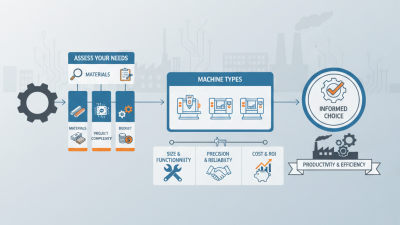
An Industrial Milling Machine can greatly influence production processes. Factors such as material types, production volume, and machine capabilities must align. Every business has unique requirements, making it essential to evaluate these aspects carefully. Many companies jump into a decision without thorough analysis, which can lead to costly mistakes.
In an industry where precision matters, the right machinery can enhance product quality. It's not just about purchasing any machine; it's about the right fit. Reflecting on your options and considering expert advice can lead to better outcomes. Investing time in research pays off in the long run. Choosing wisely can seem daunting but is essential for success.
Understanding Your Business Needs for Milling Machines
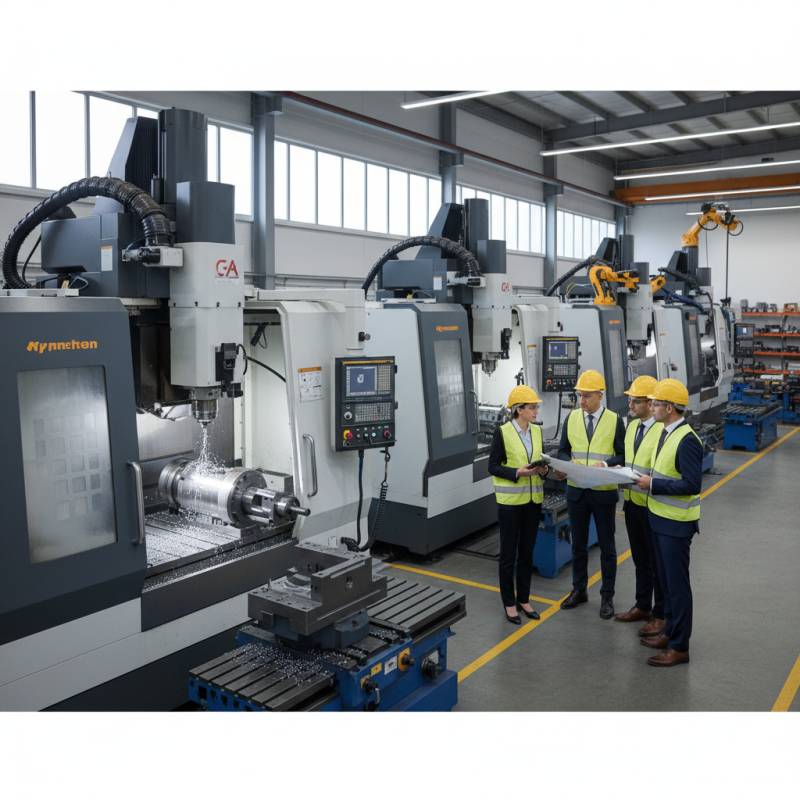
Understanding your business needs for milling machines is crucial. The right machine can enhance productivity and efficiency. According to a recent industry report by Technavio, the milling machine market is expected to grow by over 6% annually until 2025. Choosing the right milling machine depends on factors like material type, production volume, and precision requirements.
Evaluate your specific needs carefully. For example, if your business deals with hard materials, consider a machine with robust capabilities. A report from Market Research Future indicates that precision machining is vital for industries like aerospace and automotive. These sectors demand higher tolerances and tailored solutions.
Cost is another significant factor. The initial investment varies widely, and maintenance costs can add up. According to a study by Grand View Research, the global CNC milling machines market size was valued at USD 2.8 billion in 2022. However, businesses often underestimate the long-term operational costs. Reflecting on these factors holistically can lead to better decision-making for your milling machinery investments.
Types of Industrial Milling Machines Available in the Market
When selecting an industrial milling machine, understanding the available types is crucial. In today's market, you can mainly find vertical and horizontal milling machines. Vertical machines are great for precision tasks. They provide excellent control and versatility, making them popular in various industries. Horizontal machines, on the other hand, excel in heavy-duty tasks. They are better suited for high-volume production runs.
Another category includes CNC milling machines. According to a report by Research and Markets, the CNC milling machine market is expected to grow substantially, driven by automation trends. These machines can deliver enhanced accuracy and efficiency while reducing human error. However, the initial investment can be higher, requiring careful consideration.
Tip: Assess your production requirements before deciding. A machine that suits one operation may not work well in another.
Consider also the size of the machine. Larger models may occupy more space and require a more robust power supply. On the flip side, compact models may offer limited capabilities.
Tip: It's worth reflecting on your future needs. Choosing a machine with room for growth can save you costs in the long run.
Key Features to Consider When Selecting a Milling Machine
When selecting an industrial milling machine, certain features critically impact its performance and suitability for your business. Power and speed are essential considerations. A machine with adequate horsepower ensures efficient operation. Conversely, the correct speed range allows for versatile milling processes. Variable speed options enhance adaptability, accommodating diverse materials and project requirements.
Another key factor is the machine's design and size. The footprint should fit your workspace without compromising accessibility. A well-designed milling machine enhances operator safety and ease of use. Pay attention to the control system as well. User-friendly interfaces reduce training time and increase productivity. Additionally, consider the machine's maintenance requirements. Frequent maintenance can result in unexpected downtime, affecting your operations.
Material compatibility is also significant. Not all machines handle the same types of materials effectively. Assessing your materials' hardness and composition can guide your choice. Reflect on the long-term costs associated with different machines. While a cheaper option might seem attractive, higher-quality machines often provide better durability and efficiency. Taking the time to evaluate these factors will lead to a more informed decision, potentially saving you from future complications.
How to Choose the Right Industrial Milling Machine for Your Business? - Key Features to Consider When Selecting a Milling Machine
| Feature |
Description |
Importance |
| Spindle Speed |
Refers to how fast the spindle can rotate, affecting cutting efficiency. |
High |
| Table Size |
The dimensions of the milling table, impacting the size of workpieces that can be handled. |
Medium |
| Tool Changing Capability |
The ability to quickly change tools, which enhances productivity. |
High |
| Manufacturer Support |
Availability of technical support and parts from the manufacturer. |
High |
| Control System |
Type of control system (CNC vs. manual), affecting ease of use and precision. |
High |
| Machine Weight |
Heavier machines tend to be more stable and produce better precision. |
Medium |
| Power Supply |
The machine's power requirements, affecting its operational capabilities. |
Medium |
| Safety Features |
Includes guards, emergency stops, and other safety mechanisms. |
High |
Evaluating Quality and Brand Reputation in Milling Equipment
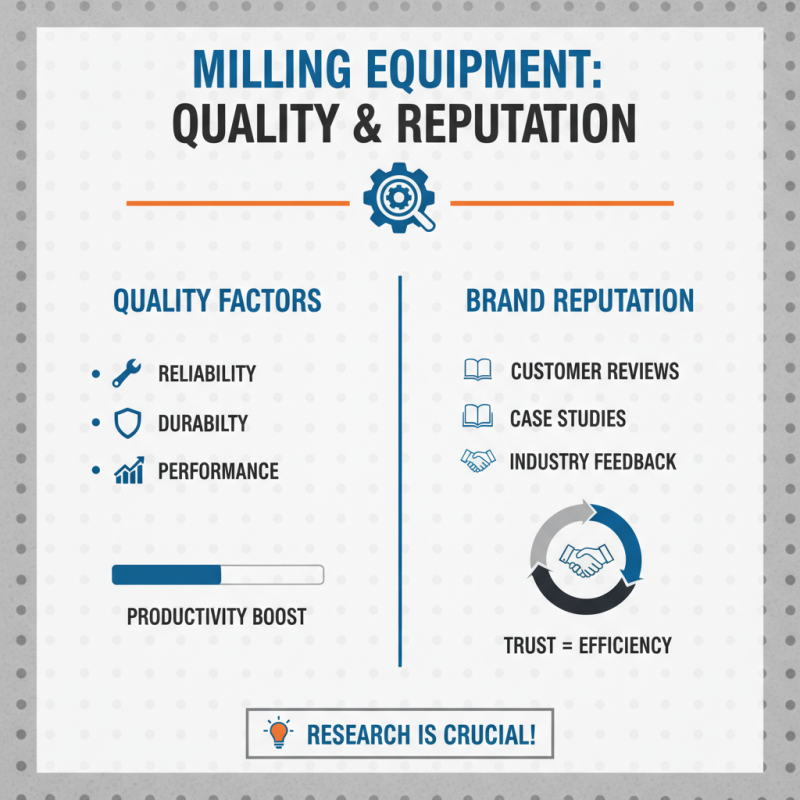
When selecting industrial milling machines, one cannot overlook the significance of quality and brand reputation. An equipment's reliability often shapes a business’s productivity. Researching various brands is essential. Look into customer reviews, case studies, and industry feedback. These sources can reveal a lot about durability and performance, which are non-negotiable for efficient operations.
Quality doesn’t come solely from price tags. Sometimes, lesser-known brands offer remarkable machinery at competitive prices. However, caution is necessary. Investigate the materials used in the machines and their construction methods. A well-built milling machine can save costs in the long run through fewer repairs.
Don't forget to consider service and support. A reputable brand typically provides better customer support. If a machine malfunctions, having access to prompt service is crucial. Evaluate warranties and service plans offered by manufacturers. Reflect on the long-term implications of your purchase. Opt for brands that consistently receive high marks in reliability and service. This strategy helps ensure that your investment in milling equipment is sound.
Budgeting and Cost Factors for Your Industrial Milling Solution
Budgeting for an industrial milling machine requires careful consideration. The cost of machines varies widely based on capabilities and specifications. According to a recent industry report, entry-level milling machines can start around $5,000, while high-end models may exceed $100,000. Understanding your production needs is crucial. A machine that is too powerful may lead to unnecessary costs, while an underperforming machine can affect productivity.
Maintenance is another cost factor. Routine upkeep is necessary to avoid malfunctions. On average, companies spend about 5-15% of the machinery's initial cost annually on maintenance. This can fluctuate based on usage. Dust accumulation, tool wear, and inadequate lubrication need regular attention. Ignoring these factors may lead to larger, unplanned expenses later.
In addition to the machine price and maintenance, training costs must be factored in. Operators require proper training to ensure they maximize the machine’s capabilities. Estimates suggest that training can add another 10% to the initial investment. Being aware of these factors helps businesses make informed purchasing decisions. Embracing a comprehensive budgeting strategy allows for a more sustainable operation in the long term.