Top Tips for Sourcing Aluminium Extrusion Rail Efficiently?
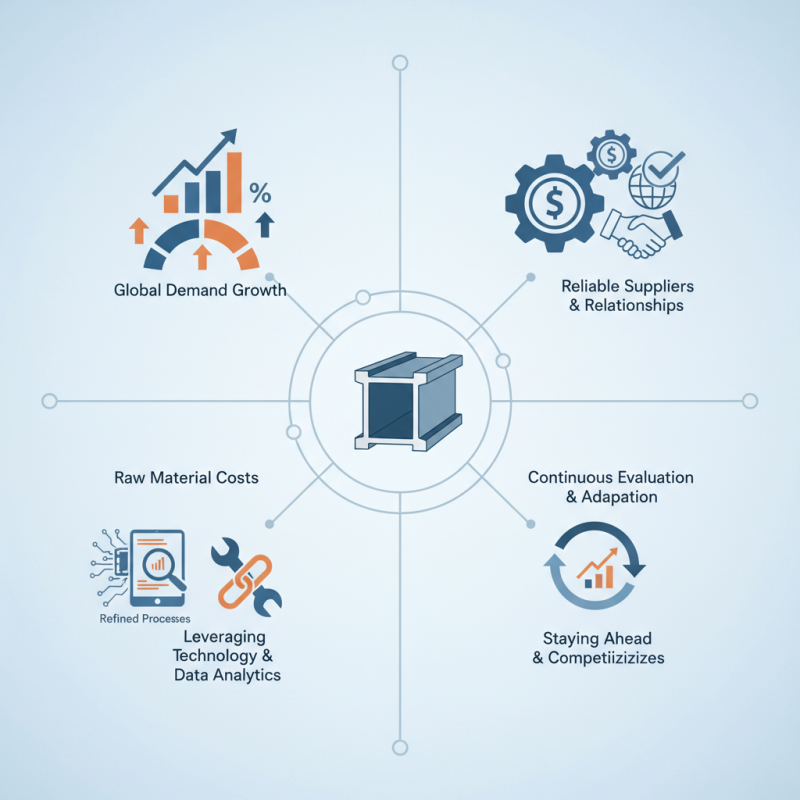
In the competitive landscape of manufacturing, sourcing Aluminium Extrusion Rail efficiently is paramount. According to a recent industry report by the International Aluminium Institute, the global demand for aluminium extrusion products, including rails, is expected to grow by 5% annually. This growth highlights the importance of effective sourcing strategies for manufacturers wanting to stay ahead.
Expert John Smith, a veteran in the aluminium industry, emphasizes, “Finding reliable suppliers is crucial; quality and cost efficiency directly impact production.” This statement underscores a pivotal aspect of sourcing in aluminium extrusion – the balance between quality and affordability. Supply chain disruptions and fluctuating raw material costs are common challenges that firms face today.
To address these issues, companies must refine their sourcing processes. Leveraging technology and establishing strong relationships with suppliers can enhance procurement efficiency. Nonetheless, many companies often overlook the significance of continuous evaluation and adaptation in their sourcing strategies. This reflection is vital for maintaining competitiveness in the ever-evolving aluminium market.
Understanding Aluminium Extrusion Rail Sourcing: A Comprehensive Overview
Sourcing aluminium extrusion rail requires a clear understanding of the market dynamics. The global aluminium extrusion market is projected to reach $69.75 billion by 2027, growing at a CAGR of 5.4% from 2020 to 2027 (Research and Markets, 2020). This growth reflects the increased demand from various sectors, including automotive and construction. Efficient sourcing hinges on recognizing who your suppliers are and how they operate.
As production processes vary, it is essential to evaluate suppliers thoroughly. Inspect their capabilities in creating custom profiles. Look for those with a proven track record of quality and timely delivery. Recent data indicates that 70% of procurement managers report quality inconsistency as a major challenge (Sourcing Journal, 2021). Understand how each supplier addresses these issues to mitigate risks.
When assessing suppliers, pay attention to their technological capabilities. Advanced machinery and skilled labor can significantly enhance product consistency. However, not every supplier invests equally in technology. Many still use outdated methods, leading to potential delays and increased costs. Balancing cost and quality comes with its challenges. Always ask for samples and prototypes to ensure they meet your specifications.
Identifying High-Quality Suppliers for Aluminium Extrusion Rails
Finding high-quality suppliers for aluminium extrusion rails is essential for any project. Start by assessing suppliers' experience in the industry. Companies with years of expertise are often more reliable. They understand the nuances of aluminium extrusion and can offer insights based on past projects. Visit their facilities if possible. This allows you to see their operations and quality control processes firsthand.
Additionally, evaluate the materials suppliers use. High-quality aluminium ensures better durability and performance. Check for certifications that validate their manufacturing processes. Suppliers should be transparent about their sourcing practices and material specifications. Look for reviews and testimonials from previous clients. These can provide valuable insights into their reliability and service quality.
Be cautious of the lowest bids. Sometimes, lower prices can mean compromised quality. Always weigh the cost against the quality and service provided. Clear communication with suppliers is vital. It ensures that their capabilities align with your project's requirements. By taking these steps, you can establish relationships with suppliers who prioritize quality and reliability.
Evaluating Cost-Effectiveness in Aluminium Rail Procurement
When evaluating the cost-effectiveness of aluminium rail procurement, it’s crucial to analyze various factors. Material prices can vary significantly, influenced by market fluctuations. Buying in bulk may provide discounts, but over-ordering can lead to excess inventory and storage costs.
Additionally, assess the production capabilities of suppliers. Not all suppliers can produce extrusions that meet your specifications precisely. Inconsistent quality may lead to higher long-term costs. Get samples before making large orders. This will help you gauge quality and suitability.
Negotiating shipping costs is essential too. Some suppliers have hidden fees that can inflate overall expenses. Always clarify these costs upfront to avoid surprises later. Remember that the cheapest option may not always be the best. Sometimes, paying a little more guarantees better service, quality, and reliability in the long run.
Cost-Effectiveness of Aluminium Extrusion Rail Procurement
Assessing Design Requirements and Specifications for Efficient Sourcing
Assessing design requirements is crucial for sourcing aluminium extrusion rail efficiently. Begin by defining the specific applications for the rail. Consider load-bearing needs, environmental conditions, and dimensions. Each project may have unique criteria that impact the final product. Identifying these requirements early will provide a solid foundation for your sourcing efforts.
Material specifications also play a vital role in the process. Different alloys offer various strengths and durability levels. Research the properties of aluminium alloys to ensure that your design specifications match your needs. An understanding of manufacturing tolerances is essential too. Overly tight tolerances can lead to increased costs or delays in production. Evaluate your design's flexibility to maintain efficiency.
Communication with suppliers is key. Share your requirements clearly to avoid misunderstandings. Sometimes suppliers may have insights based on their experience that can optimize your design further. Don’t hesitate to seek feedback on your specifications. It may lead to unexpected improvements or cost savings. Reflect on any potential areas for revision during this stage; it can make a significant difference in the final outcome.
Navigating Logistics and Delivery Challenges in Aluminium Rail Supply链
When sourcing aluminium extrusion rail, logistics and delivery play a crucial role in supply chain efficiency. According to a recent industry report, 60% of companies face delays due to logistics challenges. These delays often result from poor route planning and suboptimal inventory management. Investing in robust logistics solutions can significantly minimize these issues.
Inadequate communication with suppliers can lead to misalignment in expectations. About 70% of businesses report that lack of transparency in the supply chain contributes to inefficiencies. Regular updates on shipment status and expected delivery times can mitigate these risks. Furthermore, utilizing technology for real-time tracking enables companies to adapt to disruptions swiftly.
In sourcing aluminium extrusion rail, it's also essential to keep an eye on market fluctuations. The price of raw materials can change unexpectedly. Recent data shows a 15% increase in prices over the past year due to supply shortages. Staying informed about market trends allows for better budgeting and planning. Companies should assess their logistics strategies regularly to identify areas for improvement. Identifying gaps helps ensure a smoother supply chain while reducing costs.
