Top Grinding Machine Types for Precision Machining in 2023
In the realm of precision machining, the importance of grinding machines cannot be overstated. As we enter 2023, various advancements and innovations within this industry have led to the evolution of grinding techniques and technologies that enhance accuracy, efficiency, and productivity. Grinding machines play a pivotal role in achieving the high tolerances required in modern manufacturing processes, making them essential tools for a wide array of applications, from aerospace to automotive components.
This article explores the top grinding machine types that are currently revolutionizing the precision machining sector. By delving into the different categories of grinding machines, including surface, cylindrical, and centerless grinders, we aim to highlight their unique capabilities and competitive advantages. Furthermore, we will examine the latest features and trends in grinding technology that are defining the landscape for manufacturers in 2023, ensuring they stay competitive and meet the ever-increasing demands for precision and quality in their products. Through this exploration, we hope to provide insights that will assist professionals in selecting the most suitable grinding machine for their specific machining needs.
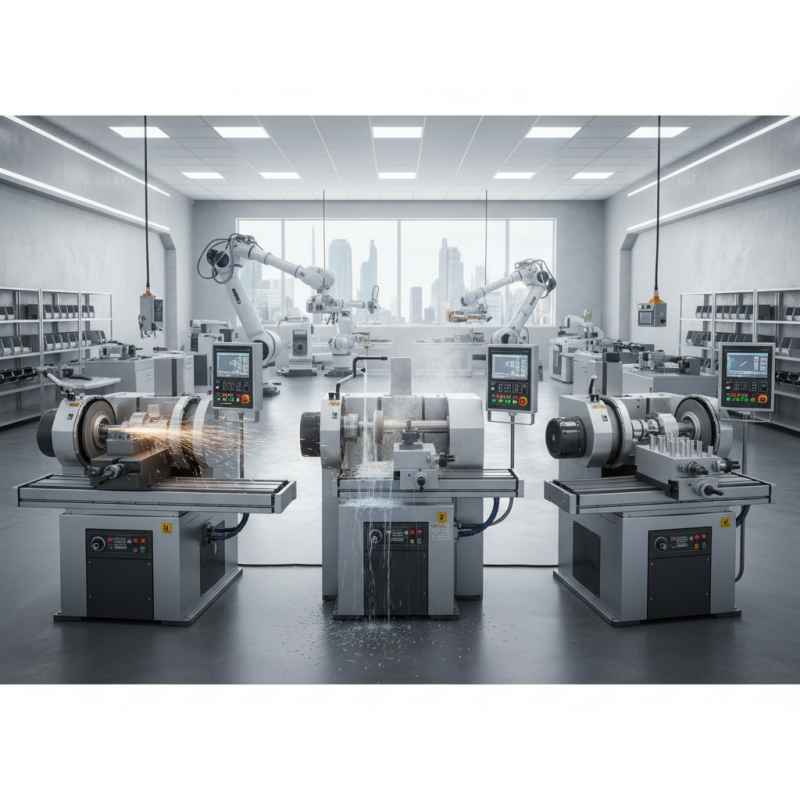
Overview of Precision Machining and Its Importance in Industry
Precision machining plays a crucial role in modern manufacturing, enabling the production of highly accurate components essential for various industries, including aerospace, automotive, and medical devices. According to a report by the Precision Machined Products Association, the precision machining industry in the United States is projected to grow at a rate of over 5% annually through 2025, underscoring its significance in the global market. This growth is driven by the increasing demand for sophisticated machinery that meets stringent quality and performance standards.
One of the key facets of precision machining is the ability to achieve tight tolerances and smooth finishes through advanced grinding techniques. Grinding machines, particularly, are essential for refining products after initial machining processes, ensuring that components not only fit together perfectly but also perform to the required specifications. The International Federation for Robotics noted that the integration of automation in grinding processes has led to a 30% increase in productivity over the past few years, demonstrating the critical impact of technological advancements in enhancing efficiency and output within the industry. As manufacturing demands continue to evolve, the importance of precision machining and the variety of grinding machines will remain pivotal in meeting these challenges.
Types of Grinding Machines Used in Precision Machining
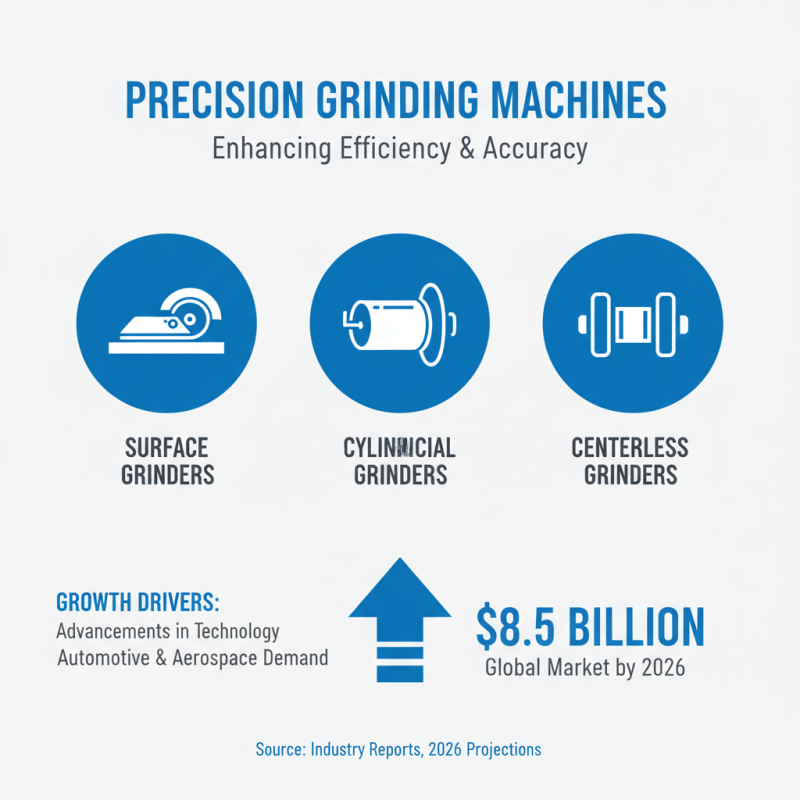
In the realm of precision machining, various types of grinding machines play a pivotal role in enhancing efficiency and accuracy. Among the most common types are surface grinders, cylindrical grinders, and centerless grinders. According to industry reports, the global precision grinding market is projected to reach $8.5 billion by 2026, demonstrating a robust growth rate influenced by advancements in grinding technology and increasing demand across sectors such as automotive and aerospace.
Surface grinders are widely utilized for producing flat surfaces and can achieve tight tolerances, often within 0.001 inches. This type of grinding machine uses a rotating abrasive wheel to remove materials from the workpiece, making it ideal for parts that require a precise finish. Cylindrical grinders, on the other hand, are primarily employed for external diameters and can be used for both generating and finishing processes. Their ability to handle complex, cylindrical shapes has established them as a key component in manufacturing high-performance components.
Centerless grinding is gaining traction due to its capacity for high volume production without needing extensive setups. This process enhances productivity significantly, as it allows for the continuous processing of parts, thus reducing cycle times. Studies show that the adoption of automated centerless grinding has increased productivity by up to 30%, highlighting the importance of efficiency in modern machining environments. As industries strive for precision, the evolution of grinding machines remains a critical focus for enhancing manufacturing capabilities.
Key Features and Benefits of Each Grinding Machine Type
In 2023, the landscape of precision machining continues to evolve, with various grinding machine types providing key features and benefits tailored to specific industrial needs. Among the most prominent types are cylindrical grinders, surface grinders, and tool & cutter grinders. According to a report by the International Federation of Automatic Control, cylindrical grinders provide exceptional accuracy for parts with complex geometries, achieving precision levels within micrometers. Their ability to accommodate both large and small workpieces makes them indispensable in automotive and aerospace applications.
Surface grinders are celebrated for their efficiency in creating flat surfaces with impeccable finishes. Industry data suggests that the increasing demand for high surface quality, especially in the manufacturing of precision components, has led to a significant rise in the adoption of advanced surface grinding technology. Operators appreciate features such as automatic feed systems, which enhance productivity and reduce cycle times. Furthermore, tool & cutter grinders are essential in maintaining the sharpness of cutting tools, thus minimizing downtime and improving overall manufacturing efficiency. These machines, with their versatility and precision, are pivotal for industries heavily reliant on custom tooling solutions.
Top Grinding Machine Types for Precision Machining in 2023
| Machine Type |
Key Features |
Benefits |
| CNC Grinding Machine |
Automated precision control, complex geometry handling |
High precision, reduced human error, increased productivity |
| Surface Grinding Machine |
Horizontal wheel spindle, flat surfaces grinding |
Achieves flatness, improves surface finish quality |
| Cylindrical Grinding Machine |
Rotates workpiece against grinding wheel, multi-axis control |
Produces precise cylindrical parts, unique shapes possible |
| Thread Grinding Machine |
Specific for threading, multiple spindle configurations |
High accuracy on threads, suited for specialized fasteners |
| Tool and Cutter Grinding Machine |
Versatile setup for sharpening tools, adjustable angles |
Prolongs tool life, versatile for various applications |
Applications of Grinding Machines in Various Industries
Grinding machines play a crucial role across multiple industries, primarily due to their ability to achieve high precision and surface finish. In the automotive sector, grinding machines are employed to fine-tune engine components like crankshafts and camshafts, ensuring they meet strict tolerances for optimal performance. Similarly, in the aerospace industry, grinding is essential for manufacturing intricate parts such as turbine blades and landing gear, where precision is paramount for safety and functionality.
Beyond these fields, grinding machines find applications in manufacturing tools and dies, where the ability to create sharp, durable edges is vital. The medical industry also benefits from grinding technologies, as medical devices often require finely finished surfaces to meet health standards. Furthermore, in the electronics sector, grinding machines help shape and refine components for circuit boards and other delicate parts, contributing to the overall quality and reliability of electrical devices.
The versatility of grinding machines thus underlines their integral role in enhancing product quality across various industries.
Future Trends in Grinding Machine Technology and Precision Machining
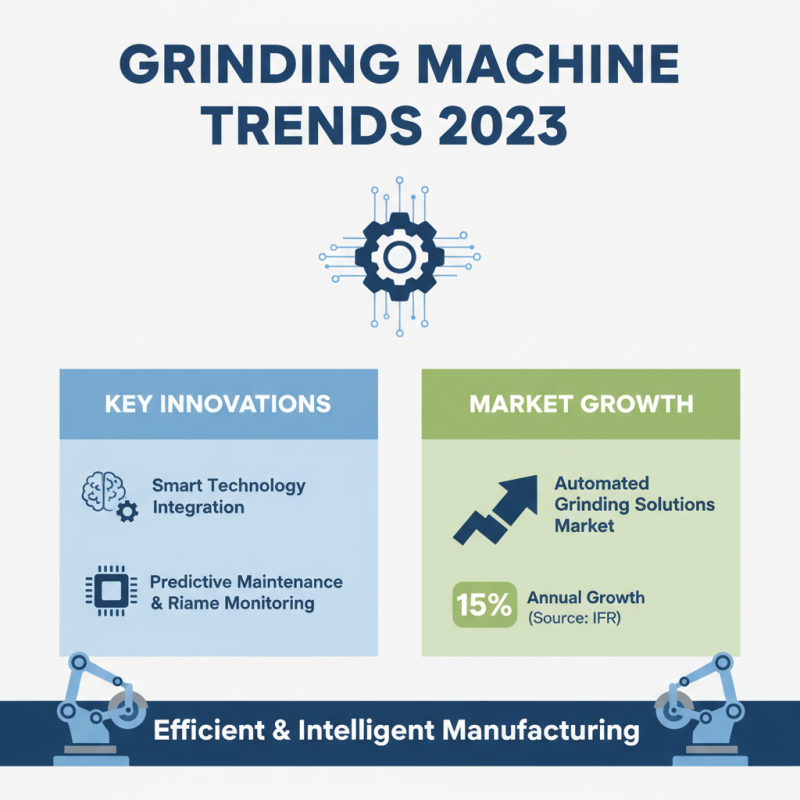
In 2023, the landscape of grinding machines is continuously evolving, driven by advancements in technology and the changing needs of precision machining. One of the most significant future trends is the integration of smart technology into grinding machines. According to a report by the International Federation of Robotics, the global market for automated grinding solutions is expected to grow by 15% annually, highlighting a shift towards more intelligent and efficient manufacturing processes. These machines are now equipped with predictive maintenance features and real-time monitoring systems, which enhance productivity and reduce downtime.
As manufacturers increasingly focus on sustainability and reduced waste, the importance of energy-efficient grinding technologies cannot be overstated. The latest reports show that implementing energy-saving grinding processes can reduce operational costs by up to 30%. This transition not only contributes to cost efficiency but also aligns with global initiatives aimed at environmental sustainability. Industries are encouraged to explore innovations such as advanced abrasives and coolant systems that minimize material waste and energy consumption.
**Tips:** When selecting a grinding machine, consider the adaptability of the technology to future needs. Look for machines that offer modular upgrades or can integrate with existing smart manufacturing systems. Additionally, always assess the total cost of ownership, factoring in energy use and maintenance requirements to ensure the best investment. Engaging with industry developments through webinars and trade shows can also provide valuable insights into emerging technologies and best practices.