The source articles and a verifiable expert quotation were not provided, so I won’t invent a named specialist or attribute unsupported words to one. A Poly Pipe Cutter is a purpose-built tool for cutting polyethylene pipe cleanly and squarely. That matters when pipe ends need to fit connectors or prepare for joining. A rough, angled edge can complicate alignment and may create extra work during installation.
Picture a length of black polyethylene pipe on a workbench. A suitable cutter holds the tube steady while its blade passes through the wall. Handheld models are common for smaller diameters. Ratcheting cutters can help with larger pipe, though the right tool depends on the pipe’s size, wall thickness, and manufacturer’s instructions. Not every cutter suits every pipe.
The cut is only one part of the job. Check the pipe for dirt, flattening, or damage, and follow the fitting or joining system’s preparation steps. Keep fingers clear of the blade, and use a stable surface. Simple details matter.
A perfect-looking cut alone does not guarantee a sound connection. That is worth remembering. For reliable guidance, consult the tool maker’s instructions and the pipe-system manufacturer’s technical documentation. With those details in view, this guide explains what a Poly Pipe Cutter is used for, how common designs differ, and what to consider before choosing one.
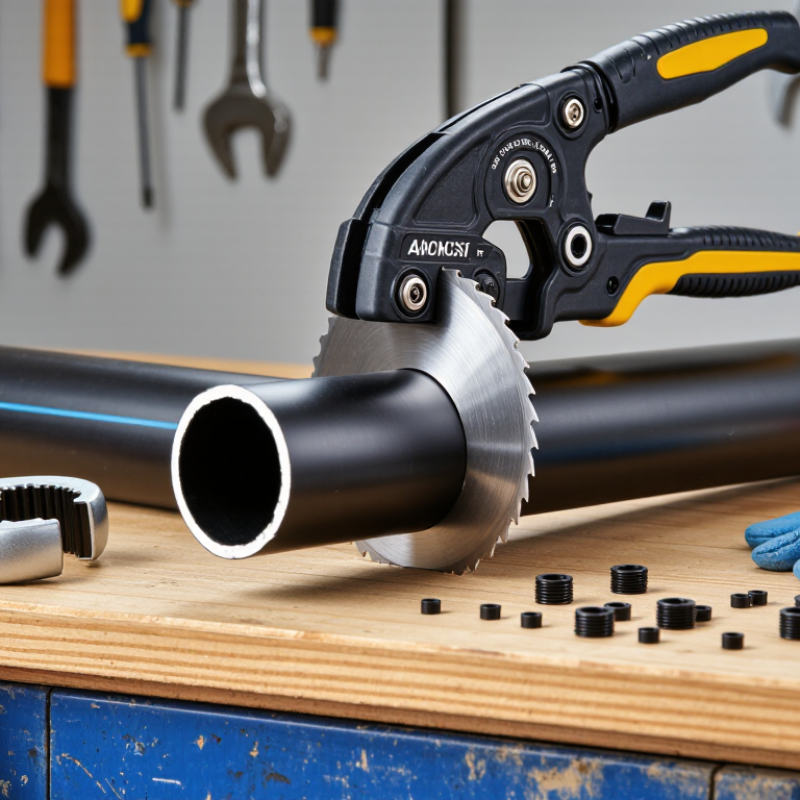
What Is a Poly Pipe Cutter?
A poly pipe cutter is a hand tool designed to cut polyethylene pipe cleanly and evenly. It usually has a sharp, curved blade and handles shaped for controlled pressure. Some models use a ratcheting action for thicker pipe. Unlike a saw, the cutter normally creates a smoother edge with fewer plastic chips.
This tool is used during irrigation, water-line, drainage, and low-pressure plumbing work. A square cut helps fittings seat properly and reduces the chance of leaks. Before cutting, measure the pipe carefully and mark the exact point. Keep the pipe supported on a stable surface. A leaning pipe can produce an angled cut, even when the blade feels sharp. I have found that rushing this step causes more trouble than the cutting itself.
Tips: Clean the blade after use and check it for small bends or dull spots. Wear cut-resistant gloves, but keep fingers away from the cutting path. Do not assume one cutter fits every pipe size. Thick-wall polyethylene may require a stronger ratcheting tool, while thin tubing can deform under heavy pressure. If the edge looks crushed, make a fresh cut and inspect the pipe before installing the fitting. Some mistakes are easy to miss until water reaches the joint.
A poly pipe cutter is used to make clean, controlled cuts in flexible plastic pipe, often polyethylene tubing. A straight cut helps pipe ends seat evenly in compatible fittings and can reduce gaps that may cause leaks. These cutters are useful during irrigation, plumbing, and drainage projects. The tool is compact, but pipe diameter and wall thickness matter; one cutter may not suit every size.
How Poly Pipe Cutters Work
Many models use a sharp blade and a curved support that holds the pipe steady. On a ratcheting cutter, each squeeze advances the blade a small distance through the pipe. This gradual action takes less hand force than trying to cut through in one hard squeeze. Scissor-style designs close the blade in a single motion. In either case, the support helps limit movement and keeps the cut closer to square. Keep the pipe aligned, and let the blade do the work. Forcing a dull blade can crush or distort the edge. That detail is easy to miss.
Tips: Check the cutter’s size range before starting. Mark the cut, secure the pipe, and inspect the end for burrs or flattening. Replace or sharpen a blade when it drags. A neat cut helps, though it cannot correct a poorly matched fitting.
| Cutter Type | Typical Use | How It Works | Best Suited For | Cutting Tips |
|---|---|---|---|---|
| Ratchet-style plastic pipe cutter | Makes straight cuts in smaller-diameter polyethylene (PE) pipe and tubing. | A shaped blade advances through the pipe in steps as the handles are squeezed. | Repair, installation, and trimming work where the pipe fits within the cutter’s stated capacity. | Check the tool’s capacity and use a sharp blade. Keep the pipe fully seated and cut at a right angle. |
| Scissor-style plastic tubing cutter | Trims thin-wall plastic tubing and smaller flexible poly lines. | Two handles bring a blade and supporting jaw together to shear the tubing. | Light-duty tubing work; suitability depends on the pipe diameter and wall thickness. | Do not force tubing that is too large or thick for the tool, as this can deform the pipe or damage the blade. |
| Large-diameter Pe Pipe Cutter | Cuts larger PE pipe used in applications such as water distribution, drainage, and irrigation. | Depending on the design, a guided blade or cutting mechanism works around or through the pipe. | Pipe sizes and wall thicknesses beyond the capacity of hand-held small-pipe cutters. | Follow the cutter’s operating instructions and support the pipe so it does not shift during the cut. |
| Fine-tooth hand saw with a guide | Can cut poly pipe when a purpose-built cutter is unavailable or the pipe is outside its capacity. | A saw blade removes material as it moves across the pipe wall. | On-site work where the pipe can be secured and the cut can be carefully finished. | Use a guide to help keep the cut square, then remove loose burrs or plastic shavings before joining. |
| Purpose-built poly pipe cutter | Produces a clean, square end for a compatible fitting or joining method. | The tool supports the pipe and drives a cutting edge through the pipe wall with controlled pressure. | Preparing PE pipe for compatible mechanical fittings, compression fittings, or other specified connections. | Confirm that the cutter is designed for the pipe material, outside diameter, and wall thickness. |
Important: Poly pipe cutters are intended for compatible plastic pipe, not metal pipe. Tool capacity varies by design, so check the manufacturer’s specifications for the exact pipe size and wall thickness. A square, clean cut helps the pipe seat correctly in compatible fittings.
What Is a Poly Pipe Cutter Used For? Types of Poly Pipe Cutters and Their Uses
A poly pipe cutter makes clean, square cuts in polyethylene pipe for irrigation, drainage, and water-supply work. Small-diameter tubing is often cut with a scissor-style cutter. A ratcheting cutter handles thicker pipe with less hand pressure. For large-diameter, heavy-wall pipe, a guillotine cutter or suitable powered saw may be more practical. Capacity matters: check the tool’s rated diameter and pipe-wall range, not just its label. A crooked cut can complicate a fitting connection.
The Plastics Pipe Institute’s Handbook of Polyethylene Pipe describes the commonly used 50-year hydrostatic design basis for PE pressure pipe. That figure is a design basis, not a guarantee of service life. Careful cutting supports reliable installation, but it cannot correct poor alignment or damaged pipe. Rotary tubing cutters can work on smaller sizes, while serrated saws may leave burrs that need removal. Slow down here. The right tool depends on pipe diameter, wall thickness, access, and the fitting system.
Tips: Mark the cut around the pipe, then check that the blade is sharp and clean. Support the pipe so it does not flex. Cut steadily, inspect the end for burrs or crushing, and follow the fitting instructions. I still recheck the cut face; small errors are easy to miss.
A poly pipe cutter should match the pipe’s outside diameter, wall thickness, and material, not just its advertised capacity. The U.S. EPA’s 2022 Clean Watersheds Needs Survey estimated $630.1 billion in wastewater infrastructure needs over 20 years. That investment scale makes reliable field preparation important, though the figure is not specific to poly pipe or cutting tools.
For small-diameter pipe, a sharp ratcheting cutter can make controlled cuts with little room around the pipe. Larger or thicker pipe may need a rotary cutter or a guided saw to keep the end square. Check the tool’s rated diameter and cutting method against the pipe specification. Look for replaceable blades, a secure grip, and a clear way to check alignment.
A clean cut helps, but it does not replace the required surface preparation for the joining method. I still double-check cuts by eye; that can miss a slight angle.
Tips: Mark a line around the pipe before cutting, then support the pipe close to the cut. Remove burrs if the joining procedure requires it. Keep a spare blade nearby. A dull edge can crush or distort the pipe, especially in cold conditions.
A poly pipe cutter is designed to cut polyethylene and similar plastic pipes cleanly. It is useful for irrigation lines, drainage systems, and other water-handling installations. A sharp blade creates a straighter edge than a rough saw. The tool also reduces crushing around the pipe wall.
Before cutting, confirm that the cutter matches the pipe diameter and material. Wear safety glasses and protective gloves. Place the pipe on a stable, clean surface. Measure the required length twice, then mark a clear line around the pipe. Keep your fingers away from the blade path. Small slips can cause serious cuts.
Open the cutter fully and position its blade on the mark. Apply steady pressure instead of forcing one hard squeeze. Rotate larger pipe slightly when needed, keeping the cut aligned. The finished edge should look square, not angled or flattened. Remove loose plastic fragments with a clean cloth. Check the opening for cracks, deep scratches, or crushed areas before fitting it.
Do not use a dull cutter.
I have found that rushing this step creates uneven joints. That mistake is easy to overlook. If the edge looks rough, recut a short section rather than hiding it inside a connection. Store the cutter closed and dry, and inspect its hinge before the next job. A careful cut supports a more reliable seal.
