What Is a Production Machine and How Does It Work?

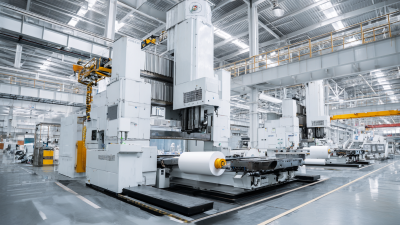
A Production Machine is an engineered system that transforms materials into consistent goods. It may cut metal, fill bottles, mold plastic, or assemble electronic parts. Inside, motors, sensors, controllers, and tools work together through carefully timed movements. A conveyor carries each part forward. A sensor checks its position. The controller then signals the next operation.

Understanding how a Production Machine works requires more than reading a specification sheet. In practice, technicians observe vibration, heat, noise, and small changes in product quality. A machine can appear efficient while wasting energy or producing hidden defects. That detail matters. Reliable production depends on correct setup, regular maintenance, and trained operators. Guards, emergency stops, and documented procedures also protect people near moving equipment. Industry standards guide these decisions, but factory conditions can differ greatly. A design that succeeds in one facility may need adjustment in another. This is where experience becomes valuable. Engineers compare cycle times, material behavior, maintenance records, and inspection results before changing the process. Even advanced automation is not completely self-sufficient. Sensors may become dirty, software may require updates, and calibration can drift. Machines make mistakes too. This guide examines the main components, operating stages, benefits, and limitations of a Production Machine. It also considers what users should verify before installation. The goal is practical understanding, not exaggerated promises. A well-designed machine can improve consistency and reduce manual effort, but dependable results still require human judgment.
What Is a Production Machine and How Does It Work?

What Is a Production Machine?

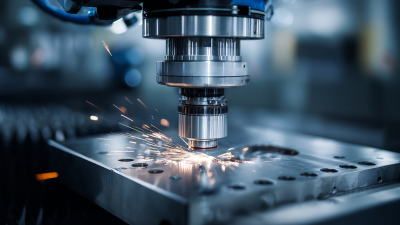
A production machine is equipment designed to make, shape, assemble, or process products repeatedly. It converts materials into consistent outputs through programmed movement, controlled force, heat, pressure, or cutting. A filling machine measures liquid into containers. A machining unit removes metal with a rotating tool. Both are production machines, although their tasks differ. The definition is practical, not perfectly fixed. Some machines perform one operation, while integrated systems complete several.

Most production machines follow a repeatable cycle. An operator loads material or connects an automated supply. The control system directs motors, valves, heaters, or other actuators. Sensors check position, temperature, pressure, and product presence. If a reading moves outside its set range, the machine may slow, stop, or request inspection. This feedback reduces waste and supports workplace safety. It does not remove human responsibility. Skilled staff still verify settings, inspect samples, clean contact surfaces, and respond to unusual sounds or vibration.

In daily operation, reliability depends on more than speed. Correct calibration, preventive maintenance, suitable materials, and clear procedures all matter. A machine producing 1,000 parts per hour is not useful if many parts fail inspection. Small issues can spread quickly. A loose sensor bracket may cause repeated stoppages. Production descriptions often make automation sound effortless. It is not. Machines need supervision, records, and thoughtful adjustments. Their real purpose is controlled, repeatable production, not simply faster movement.

What Is a Production Machine and How Does It Work?

A production machine converts raw materials into finished products through a sequence of controlled operations. This reference profile shows the average processing time per unit across common stages, including material feeding, forming, joining, inspection, and packaging. Sensors and control systems coordinate each stage to maintain consistent output and quality.

What Are the Main Components of a Production Machine?

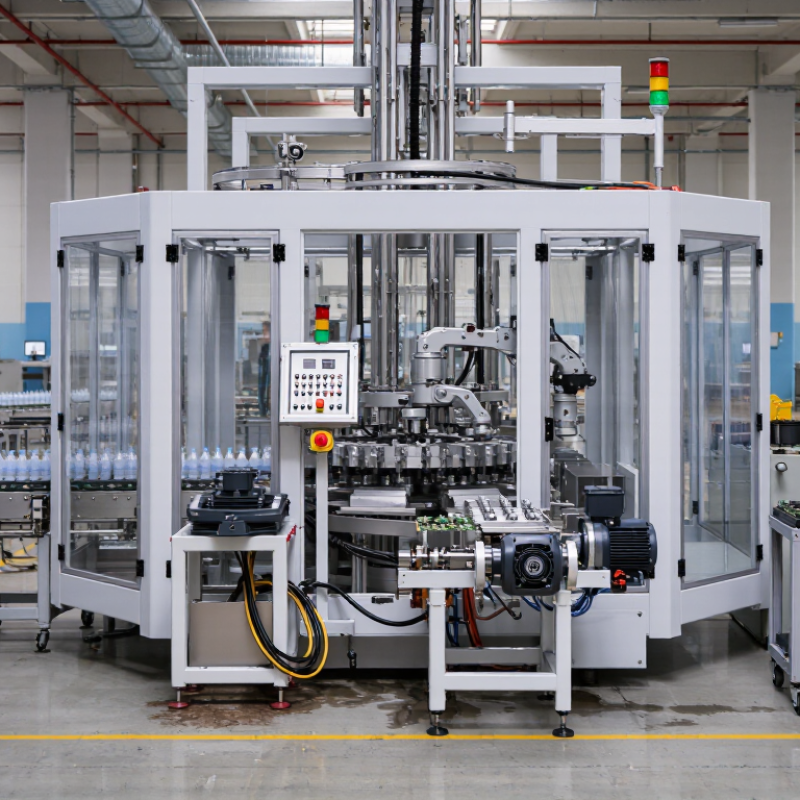
A production machine converts materials into repeatable products through coordinated mechanical and electrical systems. Its frame provides a rigid foundation and reduces vibration during operation. The power unit supplies energy through motors, pumps, or pneumatic devices. Drive components then transfer that energy to moving parts, such as belts, shafts, or linear slides. Small alignment errors can still create visible defects.

The control system acts as the machine’s decision center. It receives signals from sensors that monitor position, temperature, pressure, speed, and material flow. A programmable controller processes these signals and adjusts actuators in real time. Tooling performs the actual work, including cutting, forming, filling, sealing, or assembling. Material-handling components guide parts between operations. Guards, emergency stops, and interlocks help protect operators and prevent unsafe movement. In practice, sensors are often blamed for faults, although loose wiring or poor calibration may be the real cause.

Tips: Keep the frame clean and check fasteners regularly. Inspect cables for heat damage. Test safety switches, not just production speed. Record unusual noise, vibration, and rejected parts. A simple maintenance log often reveals patterns before failure occurs. Do not overlook software settings; a minor timing change can affect an entire batch.

What Is a Production Machine and How Does It Work? - What Are the Main Components of a Production Machine?

Component or Data Dimension Primary Function How It Works Typical Materials or Technologies Key Performance Consideration
Machine Frame Supports and aligns the major assemblies. It transfers operating loads to the base and limits vibration during production. Welded steel, cast iron, aluminum, or reinforced structural profiles. Rigidity, dimensional stability, vibration control, and corrosion resistance.
Power Source Provides energy for mechanical, electrical, pneumatic, or hydraulic operations. Electrical energy or stored fluid pressure is converted into controlled motion or force. Electric motors, compressed air systems, hydraulic pumps, and power supplies. Energy efficiency, available power, operating stability, and protection against overload.
Drive System Transmits power from the motor to moving parts. Gears, belts, chains, screws, or direct-drive mechanisms control speed and torque. Steel gears, timing belts, roller chains, ball screws, couplings, and bearings. Transmission efficiency, backlash, lubrication needs, wear, and service life.
Actuators Create the physical movement required for processing or assembly. An actuator converts electrical, pneumatic, or hydraulic input into linear or rotary motion. Servo motors, stepper motors, pneumatic cylinders, and hydraulic cylinders. Position accuracy, repeatability, force, speed, and response time.
Tooling or Processing Head Performs the main operation, such as cutting, forming, filling, welding, or fastening. The tool applies a controlled force, temperature, motion, or material flow to the workpiece. Tool steel, carbide, stainless steel, heating elements, nozzles, and dies. Tool life, process accuracy, surface quality, and suitability for the material being processed.
Material Handling System Moves raw materials, workpieces, and finished products through the machine. Conveyors, feeders, grippers, tables, or robotic mechanisms position items at each stage. Belts, rollers, hoppers, vibratory feeders, clamps, and robotic end effectors. Throughput, positioning accuracy, product protection, and resistance to material jams.
Sensors and Measurement Devices Detect position, speed, temperature, pressure, presence, and product quality. Sensors convert physical conditions into electrical signals for monitoring and control. Proximity sensors, photoelectric sensors, encoders, thermocouples, and pressure sensors. Accuracy, response time, calibration stability, and resistance to dust or vibration.
Control System Coordinates machine sequences and adjusts operating parameters. A programmable controller receives sensor signals, processes logic, and sends commands to actuators. Programmable controllers, motion controllers, relays, industrial computers, and control software. Cycle control, processing speed, reliability, expandability, and fault diagnosis.
Human-Machine Interface Allows operators to start, stop, monitor, and adjust the machine. A screen, buttons, switches, or indicators display machine status and accept operator commands. Touch panels, push buttons, selector switches, indicator lights, and alarms. Clear instructions, usability, language support, and visibility of alarms or process data.
Safety System Protects people from hazardous motion, heat, pressure, electricity, or stored energy. Guards, interlocks, emergency stops, light curtains, and safety controls prevent or stop hazardous operations. Physical guards, safety switches, emergency-stop devices, protective covers, and warning systems. Risk reduction, reliable stopping, access control, and compliance with applicable safety requirements.
Cooling and Lubrication Controls heat and reduces friction between moving or processing components. Fans, coolants, heat exchangers, and lubricants remove heat and reduce wear. Cooling fans, pumps, filters, lubricating oils, greases, and water-based coolants. Temperature control, lubricant condition, contamination control, and maintenance frequency.
Output and Quality Inspection Confirms that finished products meet defined dimensional, visual, or functional requirements. Inspection devices compare measured results with preset limits and identify defects or process drift. Calipers, gauges, cameras, load cells, scales, and functional test devices. Inspection accuracy, defect detection rate, traceability, and integration with production control.
How a Production Machine Works: A production machine receives raw materials or workpieces, positions them, performs one or more controlled processing steps, checks operating conditions and product quality, and then transfers the finished output. The control system coordinates sensors, drives, actuators, tooling, and safety devices to achieve consistent production.

How Does a Production Machine Work Step by Step?

A production machine converts raw material into a consistent finished part. Its work begins with preparation. An operator checks the material, tools, guards, and operating settings. The machine must sit level and remain clean. Small errors matter.

The cycle begins. Material enters through a feeder, hopper, or loading station. Sensors confirm its position and measure key conditions. The controller then starts the programmed sequence. Motors move the material into place. Cutting, forming, filling, welding, or assembly follows the selected process. Each movement uses controlled speed and force. Sensors watch temperature, pressure, distance, and alignment. If a reading falls outside its safe range, the machine can pause or reject the part.

A finished part leaves through an output station. The operator or an inspection system checks its size, surface, weight, and function. Accepted parts continue to packing or the next work area. Defective parts are separated and recorded for investigation. In practical operation, no cycle is perfect. Dust can affect sensors, and worn tooling can change dimensions. Maintenance staff clean contact points, inspect moving parts, and compare readings with approved standards. Production records also help identify repeated faults instead of hiding them. The process may look automatic, but skilled human judgment still controls setup, verification, and safe intervention.

Which Types of Production Machines Are Commonly Used?

What Is a Production Machine and How Does It Work?

Production machines convert materials into consistent products through programmed movement, pressure, heat, or cutting. Their work usually follows a controlled sequence: loading, processing, inspection, and unloading. Sensors monitor position, temperature, speed, and force during operation. Operators still matter. They set parameters, check tooling, and respond to abnormal noise or vibration.

CNC machines are common in metalworking. They remove material with rotating tools to create accurate holes, slots, and surfaces. Lathes rotate the workpiece, while milling machines move cutters across it. Press machines shape sheet metal through force. Injection molding machines heat plastic pellets and push the material into a mold. The mold determines the final shape.

Laser cutting machines use focused light to cut metal, wood, or certain plastics. Assembly machines join parts with screws, adhesives, clips, or controlled pressure. Packaging machines fill containers, seal packages, and apply labels at high speed. Additive manufacturing machines build parts layer by layer, which helps produce complex prototypes.

It looks simple. It is not.

In practice, machine selection depends on material, tolerance, batch size, maintenance access, and worker training. A fast machine may waste more material if setup errors remain unnoticed. I have found that production teams sometimes trust automated readings too quickly. Regular calibration, sample inspections, and clear maintenance records make the process more reliable. No single machine fits every factory.

How Are Production Machines Controlled and Maintained?

Production machines are controlled through sensors, programmable logic controllers, and operator interfaces.

Sensors track temperature, pressure, speed, and material position. The controller compares these readings with programmed limits. It then adjusts motors, valves, or feeding systems. Operators can stop the line when readings become unsafe. Clear alarms matter more than decorative screens.

Maintenance begins with observation.

Technicians listen for unusual vibration, inspect belts, check guards, and review alarm history. Scheduled tasks include lubrication, filter replacement, alignment checks, and electrical testing. Maintenance records should show the date, measured condition, repair, and responsible worker. This evidence helps identify repeated failures instead of guessing. A clean control cabinet also reduces troubleshooting time.

Condition monitoring can reveal wear before a breakdown stops production.

However, sensors can drift, and software settings can be wrong. Human judgment remains necessary. A daily check may still miss a loose connection or unusual sound. The checklist is useful, but it is not perfect. Teams should verify critical readings with calibrated tools and test emergency stops under controlled conditions. Training must cover lockout procedures, restart checks, and safe communication. Small details protect people and preserve consistent output.