China Top Machine Parts Suppliers for Global Buyers are changing how manufacturers source essential components. From CNC-machined shafts to hydraulic seals, Chinese suppliers now serve factories across automotive, construction, agriculture, and industrial automation. Their advantages often include broad production capacity, competitive pricing, and flexible customization. Yet price alone cannot prove supplier quality.
W. Edwards Deming, a respected quality-management expert, said, “Quality comes not from inspection, but from the improvement of the production process.” This principle matters when evaluating Parts For Machine suppliers. Reliable buyers should review material certificates, tolerance records, sample results, and production controls. A small mismatch in a bearing seat can create vibration, downtime, and expensive repairs. A clear drawing revision can prevent that failure.
Experience also reveals uncomfortable details. No supplier is perfect. Even an experienced factory may overlook a late design change or pack similar parts together. Buyers should ask direct questions about traceability, inspection tools, packaging, lead times, and after-sales support. Video audits and independent inspections can add practical confidence. They do not replace technical judgment.
This guide examines leading Chinese Parts For Machine suppliers through capability, consistency, communication, and documented performance. It also considers factory specialization, export experience, and response quality. Some suppliers appear impressive online but provide weak evidence. That deserves caution. The strongest partnerships usually develop through samples, transparent records, and repeated delivery performance. Global buyers should remain open-minded, but never careless.
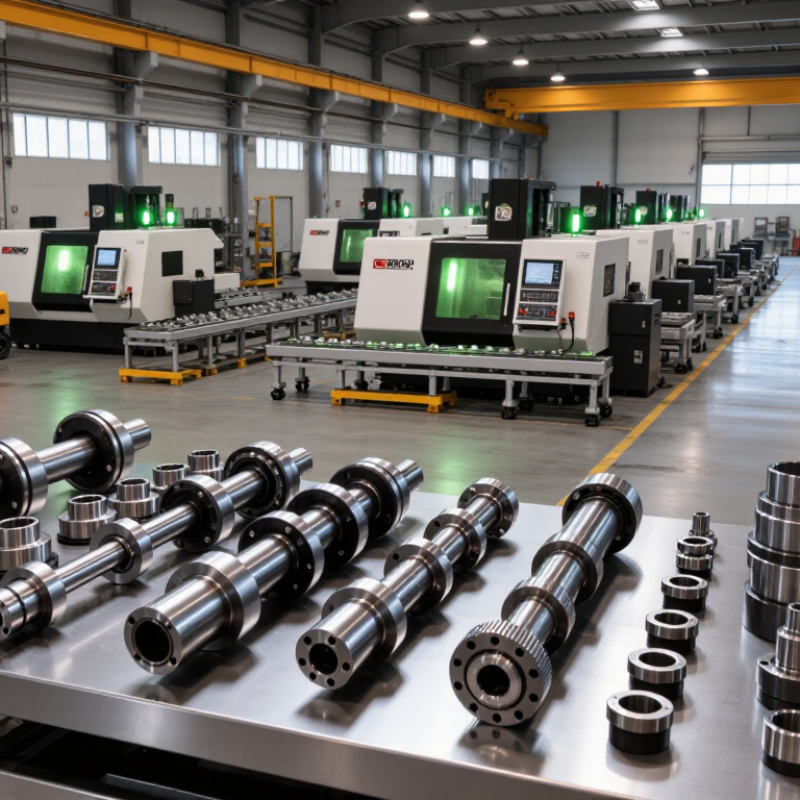
Machine parts suppliers in China are specialized manufacturers and sourcing partners that produce components for industrial equipment. Their products may include shafts, gears, brackets, fasteners, housings, valves, and custom assemblies. Some work from engineering drawings. Others help develop a part from a sample or digital model.
A capable supplier usually combines machining, casting, stamping, forging, or injection molding services. Production experience matters here. A supplier should understand tolerances, surface finishes, material grades, and assembly requirements. For example, a precision shaft may require measured diameter control, balanced rotation, and corrosion protection. Inspection reports, material certificates, and batch records also improve reliability. Ask for them.
The best suppliers do more than quote a low unit price. They review drawings, identify manufacturing risks, and explain practical alternatives. Communication should cover packaging, lead times, payment terms, and export documentation. Factory audits or independent inspections can reveal equipment conditions and process discipline. Small details matter. A missing tolerance can create a costly delay.
Global buyers should test a sample before approving volume production. Compare the sample with the drawing, not only with photographs. I have found that unclear revision control causes avoidable mistakes. Even experienced teams sometimes overlook it. A written quality agreement can define inspection methods, acceptable variation, and corrective actions. That agreement is not exciting, but it protects both sides.
Chinese machine parts suppliers produce a broad range of components for industrial equipment, automation systems, and transport machinery. Common products include CNC-turned shafts, milled brackets, gears, bushings, flanges, couplings, and precision housings. They also manufacture sheet-metal covers, welded frames, conveyor components, and custom fasteners. Material choices often include stainless steel, aluminum, carbon steel, brass, and engineering plastics.
In practical sourcing projects, buyers usually provide drawings, material grades, tolerances, and surface requirements. Experienced suppliers can then support prototyping, small-batch production, and repeat orders. Typical finishing options include anodizing, powder coating, plating, polishing, and heat treatment. A reliable factory should explain its inspection process clearly. Coordinate measuring machines, micrometers, hardness testers, and thread gauges help verify critical dimensions.
Details matter. A shaft may look correct but fail because of poor concentricity. A coated housing may also need stronger corrosion protection near humid facilities. Some suppliers offer useful engineering feedback, although their suggestions still require careful review. I have found that tolerances should match the part’s function, not simply become tighter. Overly strict specifications can increase cost without improving performance. Buyers should request sample reports, production photos, material certificates, and packaging details before approving regular production. Packaging is sometimes overlooked. Scratched surfaces, mixed batches, or unclear labels can create problems during assembly.
How to Evaluate China’s Machine Parts Suppliers
A capable supplier should prove consistency, not just offer a low quotation. The 2023 World Bank Logistics Performance Index rated China at 3.7 out of 5. Logistics are strong, but delivery performance still requires verification. Request production lead times, packaging details, and recent on-time delivery records. Ask for evidence.
Review the supplier’s quality system against ISO 9001 requirements. The 2022 ISO Survey recorded more than one million ISO 9001 certificates worldwide, so certification alone does not prove machining ability. Check the certificate scope, audit date, and manufacturing address. Then inspect inspection plans, calibration records, material certificates, and nonconformance procedures. Numbers matter. For critical parts, require dimensional reports using traceable gauges or coordinate measuring equipment.
Start with a paid sample or a small pilot order. Compare the drawing, surface finish, hardness, and actual measurement results. Ask how the supplier controls tool wear during long production runs. A useful discussion includes process capability, batch traceability, and corrective-action timing. Do not guess. Request photos of machines, inspection areas, and packed parts, while protecting confidential information. A polished website proves little. I have seen attractive samples hide weak process control, though one failed batch should not define every supplier. Evaluate repeated results across several lots, communication during problems, and the clarity of technical answers. Supplier selection remains partly uncertain; records reduce that uncertainty.
| Evaluation Dimension | What Global Buyers Should Check | Verifiable Evidence | Suggested Weight | Buyer Evaluation Notes |
|---|---|---|---|---|
| Technical Capability | Ability to manufacture the required materials, geometries, tolerances, threads, surface finishes, and assembly features. | Process list, machine list, sample inspection reports, capability study, and drawings marked with achievable tolerances. | 20% | Give higher scores when the supplier has proven experience with parts of similar size, material, complexity, and tolerance. |
| Quality Management | Whether production and inspection activities are controlled through documented procedures and traceable records. | Valid quality certificate, audit report, inspection plan, nonconformance procedure, and corrective-action records. | 15% | Verify certificate scope, issuing body, validity period, and whether it covers the relevant manufacturing site. |
| Dimensional Inspection | Availability of calibrated equipment for dimensional, geometric, material, and surface-finish inspection. | Equipment register, calibration certificates, coordinate-measuring-machine reports, gauge records, and first-article inspection reports. | 12% | Confirm that measurement methods match the drawing requirements and that calibration is current. |
| Material Traceability | Ability to link incoming material and processing records to each production batch or lot. | Material certificates, heat or batch numbers, receiving records, production travelers, and final inspection records. | 10% | This is especially important for pressure, safety-critical, aerospace, medical, and regulated applications. |
| Production Capacity | Available machine hours, staffing, process bottlenecks, subcontracting controls, and ability to support repeat orders. | Capacity statement, production schedule, equipment utilization data, staffing plan, and documented outsourcing controls. | 10% | Compare stated capacity with the forecasted order volume and required delivery frequency. |
| Prototype and Sampling | Process for reviewing drawings, identifying risks, producing samples, and implementing engineering changes. | Design-for-manufacturing feedback, sample schedule, first-article report, revision control, and sample approval records. | 8% | A supplier should clarify assumptions before quoting and document all drawing revisions. |
| Lead Time and Delivery | Realistic timing for material purchasing, tooling, production, inspection, packing, and international shipment. | Detailed production schedule, historical on-time-delivery data, agreed milestones, and shipment documentation. | 8% | Separate manufacturing lead time from transport time and document the agreed delivery term. |
| Cost Transparency | Clarity of material, machining, tooling, finishing, inspection, packaging, shipping, and other applicable charges. | Itemized quotation, currency, payment terms, tooling ownership terms, quotation validity, and change-order policy. | 7% | Do not compare unit prices without confirming the same material grade, tolerance, finish, quantity, and delivery basis. |
| Communication and Documentation | Responsiveness, technical English capability, document accuracy, and control of customer information. | Quotation response, meeting records, drawing revision log, approved specifications, and secure document-sharing process. | 5% | Use a short technical questionnaire to test whether important requirements are understood correctly. |
| Compliance and Risk Control | Compliance with destination-market requirements, export documentation, confidentiality, product safety, and business continuity expectations. | Signed confidentiality agreement, compliance declarations, export records, backup-production plan, and documented risk assessment. | 5% | Use independent audits or pre-shipment inspections when product risk, order value, or regulatory exposure is high. |
Global buyers should examine standards, certificates, and factory evidence before approving machine parts suppliers. ISO 9001 can indicate a controlled quality system, but it does not guarantee every shipment. Check the certificate’s scope, expiry date, site address, and issuing body. The listed activities should cover machining, casting, fabrication, or the actual supplied process.
For material-sensitive parts, request mill certificates and inspection reports with matching heat or batch numbers. EN 10204 3.1 documents may support metal traceability in many industrial applications. Ask for dimensional reports, surface-finish records, and calibration certificates for measuring equipment. Calibration should come from a competent laboratory, often operating under ISO/IEC 17025 requirements. Small details matter.
For regulated markets, confirm whether the finished machine requires conformity evidence under applicable local rules. CE marking is not a universal quality certificate, and a loose logo proves little. Request the relevant declaration, test records, risk assessment, and technical documentation from the responsible manufacturer. Environmental or workplace requirements may also involve RoHS, REACH, ISO 14001, or ISO 45001, depending on the product and destination. A certificate can look impressive and still be poorly matched to your order. Buyers should verify documents with the issuer when possible, audit production controls, and compare records against delivered parts. No single certificate removes the need for inspection.
China Top Machine Parts Suppliers for Global Buyers?
Sourcing machine parts from China starts with a precise technical request. Send drawings, dimensions, tolerances, material grades, surface treatments, and expected quantities. Photos alone are rarely enough. Ask several qualified suppliers for itemized quotations, production lead times, tooling costs, and packaging details. Review their factory experience, inspection equipment, and quality records before discussing price. A low quote can hide weak materials or unstable tolerances.
Request samples when the part affects safety, alignment, or machine performance. Check critical dimensions with calibrated tools, not visual judgment. Confirm whether the supplier can provide material certificates and inspection reports. A written purchase order should define revision numbers, acceptance standards, payment stages, and remedies for defects. Small details matter. I would still avoid treating a sample as proof of every future batch; production consistency requires ongoing checks.
Before importing, confirm the correct customs classification, country-of-origin documents, duties, taxes, and permitted transport method with a qualified customs professional. Agree on delivery terms, shipping responsibility, insurance, and export packaging in writing. Use moisture protection, labels, and strong crates for heavy or precision parts. A pre-shipment inspection can compare finished goods against the approved sample. Yet inspections are not perfect, especially when testing access is limited. Keep communication records, approve drawings formally, and allow extra time for port delays or rework.
Typical planning ranges for global buyers sourcing standard machine parts from China. Actual timing varies by specification, production capacity, inspection requirements, port congestion, and destination-country customs procedures.
Planning benchmark: calendar days from initial RFQ to warehouse receipt for a standard ocean-freight order.