Top 10 Liquid Filling Machines for Your Business Needs?
In today's competitive landscape, selecting the right Liquid Filling Machine is crucial for business success. The packaging industry has witnessed significant advancements, with the global liquid filling machine market projected to reach $8.5 billion by 2027, according to industry reports. This growth highlights the increasing demand for efficient and precise filling solutions.
Modern liquid Filling Machines offer varied functionalities, from automatic to semi-automatic models, catering to diverse industry needs. Businesses must consider factors such as speed, accuracy, and machine compatibility. A reliable liquid filling machine minimizes waste and ensures product consistency. However, choosing the right equipment can be challenging. It requires an understanding of specific requirements and available technologies.
Investing in high-quality machinery can enhance production efficiency. Conversely, opting for cheaper alternatives might lead to costly downtime or inconsistent quality. Therefore, examining your operational needs and long-term goals is essential. While many machines promise great performance, it’s vital to conduct thorough research before purchasing.
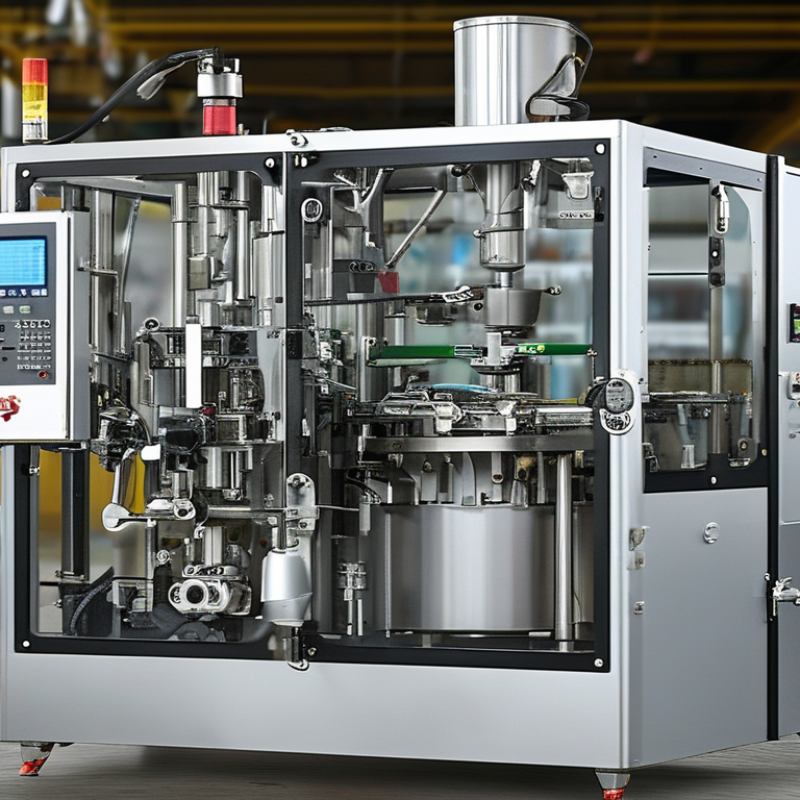
Criteria for Selecting the Right Liquid Filling Machine for Your Business
Choosing the right liquid filling machine can significantly impact your production process. Several key factors warrant careful consideration. Evaluate the types of liquids you will be filling. Different machines handle various viscosity levels. For example, a machine suitable for water might not work well for thicker products like sauces.
Next, think about the desired filling speed. Your production volume directly influences this choice. A machine with higher speed can boost efficiency but may require more maintenance. Ensure that the equipment aligns with your output goals. Also, consider the machine's ease of cleaning and maintenance. Frequent maintenance is necessary for optimal performance.
Don't overlook the importance of your budget. While premium machines offer advanced features, they might not always be necessary for smaller operations. Explore options that provide a balance between cost and functionality. User reviews can provide insights into reliability. Testing a machine before finalizing your decision could also lead to better alignment with your needs. Ultimately, a thoughtful approach can help you choose the best liquid filling machine for your unique requirements.
Overview of Different Types of Liquid Filling Machines Available
Liquid filling machines are essential for various industries. They provide efficient and precise filling for a wide range of liquids. It's vital to choose the right type of machine based on your specific needs.
There are several types of liquid filling machines. Gravity fillers are ideal for free-flowing liquids. They rely on gravity, which can simplify the process. Piston fillers are versatile for thicker liquids and provide accurate volume control. This technology can minimize waste and enhance efficiency. Pump fillers can handle a variety of viscosities, making them a reliable choice for many businesses. Continuous motion fillers speed up the production line, which is crucial for high-demand environments.
Each machine has its advantages and drawbacks. Some may require frequent maintenance, impacting productivity. New users might face a learning curve, which can lead to initial inefficiencies. It's important to weigh these factors carefully. Assessing your production requirements and budget will guide you toward the right choice. Investing in knowledgeable suppliers can also provide critical insights. Understanding the nuances of each filling technology empowers you to make informed decisions.
Top 10 Liquid Filling Machines by Filling Speed (Bottles per Minute)
Top 10 Liquid Filling Machines: Features and Specifications Reviewed
When exploring liquid filling machines, several features stand out as essential for various business needs. Look into the filling volume range. Accurate filling ensures product quality. The speed of operation is crucial for efficiency. Consider machines that offer adjustable speeds. This flexibility accommodates different production scales.
Additionally, pay attention to compatibility with various liquids. Some machines excel with thin liquids, while others handle thicker ones. Durability is another vital aspect. Choose machines made from high-quality materials. This ensures longevity and reliability. However, it's essential to reflect on the maintenance needs of these machines. Regular upkeep is necessary to prevent downtime.
User-friendly controls can significantly enhance operational efficiency. Simple interfaces help new operators learn quickly. Nonetheless, complex machines may have a learning curve. Assess the training requirements for your team. While an extensive range of features might seem appealing, prioritize those that align with your specific production needs. Balancing features with practicality can lead to better investment choices.
Comparative Analysis of Liquid Filling Machines in Various Industries
Liquid filling machines are essential across various industries, such as food and beverage, pharmaceuticals, and cosmetics. Their effectiveness hinges on specific designs tailored to distinct requirements. For instance, in the food industry, machines must maintain hygiene while ensuring precise measurements. A comparison of gravity fillers versus piston fillers reveals unique strengths. While gravity fillers work well for thin liquids, piston fillers excel with thick products.
Industries dealing with viscous materials require specialized equipment. For instance, a machine designed for syrups will not perform well with sauces. Reliability in dispensing is crucial, and equipment often needs adjustments for accuracy. Some machines may struggle with that, leading to waste or loss of product integrity. Each industry can benefit from understanding the types of filling machines available and their operational nuances.
Despite advancements, no machine is perfect. Regular maintenance and operator training remain vital to ensure optimal performance. Over time, minor malfunctions can result in significant setbacks. It's important for businesses to reflect on their equipment choices and processes continually. Adopting a proactive approach can help in maximizing efficiency and reducing errors.
Maintenance Tips for Ensuring Optimal Performance of Filling Machines
Maintaining liquid filling machines is essential for optimal performance. Regular inspections should be part of your routine. Check for wear and tear in components. Look at seals, hoses, and pumps. These parts are critical for ensuring accuracy. Even a small leak can lead to significant losses. Scheduling regular maintenance can prevent unexpected downtime.
Cleaning is another vital aspect. Contaminants can easily affect the filling process. Ensure that all surfaces are cleaned according to the manufacturer's guidelines. This not only extends the life of the machine but also ensures product quality. Improper cleaning can lead to cross-contamination. This is a risk you cannot afford.
Training staff effectively is also crucial. Employees should be familiar with operating procedures. They should understand how to recognize issues before they escalate. An educated team can improve overall efficiency. Encourage feedback. This creates a culture of continuous improvement. Addressing issues early leads to better reliability. Each maintenance task contributes to smoother operations. It’s an ongoing process, but the rewards are worth it.
